
Do welding and grinding really look like simple, routine jobs? They often do, until a single spark lands in the wrong place. The hard truth is that these everyday tasks can introduce serious fire risks that many teams overlook. What seems like a quick repair or minor adjustment can quietly turn into a costly incident if proper fire watch precautions aren’t in place.
Whether it’s a large-scale industrial project or a short repair job, having trained personnel assigned to monitor the area before, during, and after hot work can prevent costly damage, injuries, and shutdowns. Understanding the regulations, responsibilities, and practical steps behind fire watch procedures help businesses stay compliant and keep their sites safer.
Key Takeaways
- Hot work activities carry hidden fire risks; sparks and heat can ignite fires even hours after the job is completed.
- OSHA and NFPA guidelines outline when a fire watch is required and what responsibilities guards must follow.
- Post-work fire watch is just as important as on-site monitoring to prevent delayed ignition incidents.
- Professional hot work fire watch guards improve safety, compliance, and response time compared to informal supervision.
What Is Hot Work and Why Is It a Fire Risk?
“Hot work” refers to any task that produces heat, sparks, or open flames. Common examples include:
- Brazing
- Welding
- Grinding
- Soldering
- Flame heating
- Cutting or torching
These activities generate high temperatures and flying sparks that can easily ignite nearby flammable materials. Even small metal fragments, known as slag, can land in unseen areas such as cracks, insulation, or debris piles and start smoldering quietly before igniting into open flames.
Why Hot Work Is Dangerous?
- Sparks travel several feet and can reach unexpected surfaces.
- Hidden ignition points exist in ceilings, vents, or behind walls.
- Delayed fires may begin hours after the work is finished.
Common hot work fire hazards include combustible dust, oily rags, cardboard, wooden structures, and chemical vapors. Many accidents occur because teams focus only on the immediate work zone and overlook adjacent spaces.
Where Does Hot Work Commonly Happen?
Hot work isn’t limited to large factories or heavy industrial zones. It can take place in many everyday environments where repairs, installations, or structural changes are happening. Because these locations vary so widely, the fire risks often go unnoticed until a spark turns into an incident.
- Warehouses and storage units
- Maintenance and repair operations
- Construction and renovation projects
- Industrial and manufacturing facilities
- Shipyards and large mechanical workshops
What Is a Fire Watch for Hot Work?
A fire watch for hot work means assigning a trained individual whose sole responsibility is to observe the work area for signs of fire. Their purpose is prevention, early detection, and immediate response.
Core Duties of Fire Watch Guard
Here’s what a fire watch guard usually do on a day-to-day basis:
- Continuous visual monitoring
- Spotting smoke, sparks, or unusual heat buildup
- Acting quickly if ignition occurs
Assigned Fire Watch vs Informal Supervision
An assigned fire watch is not the same as asking a nearby worker to “keep an eye out.” Informal supervision often leads to distractions and missed warning signs. A designated hot work fire watch guard focuses only on safety and carries the knowledge and equipment to react instantly. It is why trained personnel outperform ad-hoc monitoring.
Stay Safe and Compliant During Hot Work Operations
Protect your site with certified fire watch professionals trained to monitor sparks, prevent delayed ignition, and meet OSHA and NFPA requirements.
OSHA Hot Work Fire Watch Requirements: What is the OSHA Standard for Hot Work?
The OSHA hot work fire watch requirements come from the Occupational Safety and Health Administration’s mission to reduce workplace injuries and hazards. OSHA outlines when a fire watch becomes necessary and what responsibilities are expected.
Situations Requiring a Fire Watch Under OSHA
OSHA implies that fire watch is a must-have under the following circumstances:
- Presence of combustible materials within a certain distance
- Open floor or wall penetrations where sparks may fall
- Inadequate fire protection systems
- Confined or enclosed spaces
Consequences of Non-Compliance
Failing to follow Fire watch requirements for hot work can result in:
- Citations and financial penalties
- Legal liability after incidents
- Temporary work stoppages
- Insurance complications
OSHA inspections often look for documentation, training records, and visible fire safety measures. A missing fire watch can be viewed as negligence rather than a minor oversight.
NFPA Hot Work Fire Watch Requirements
While OSHA governs workplace safety, the NFPA hot work fire watch requirements come from the National Fire Protection Association, which sets widely recognized fire prevention standards.
NFPA guidelines focus heavily on:
- Hot work permits
- Site-specific hazard assessments
- Post-work monitoring
- Documentation and accountability
When NFPA Calls for a Fire Watch
A fire watch is typically required when combustible materials cannot be fully removed or shielded, when ventilation is limited, or when fire detection systems are inactive.
Post-Hot-Work Monitoring
NFPA guidance often recommends monitoring the area for a defined period after the job ends. This period may vary based on materials present, site layout, and local codes enforced by fire marshals or Authorities Having Jurisdiction (AHJs).
When Is a Fire Watch Required for Hot Work?
Not every hot work task automatically demands a fire watch, but many common scenarios do.
Construction and Renovation Projects
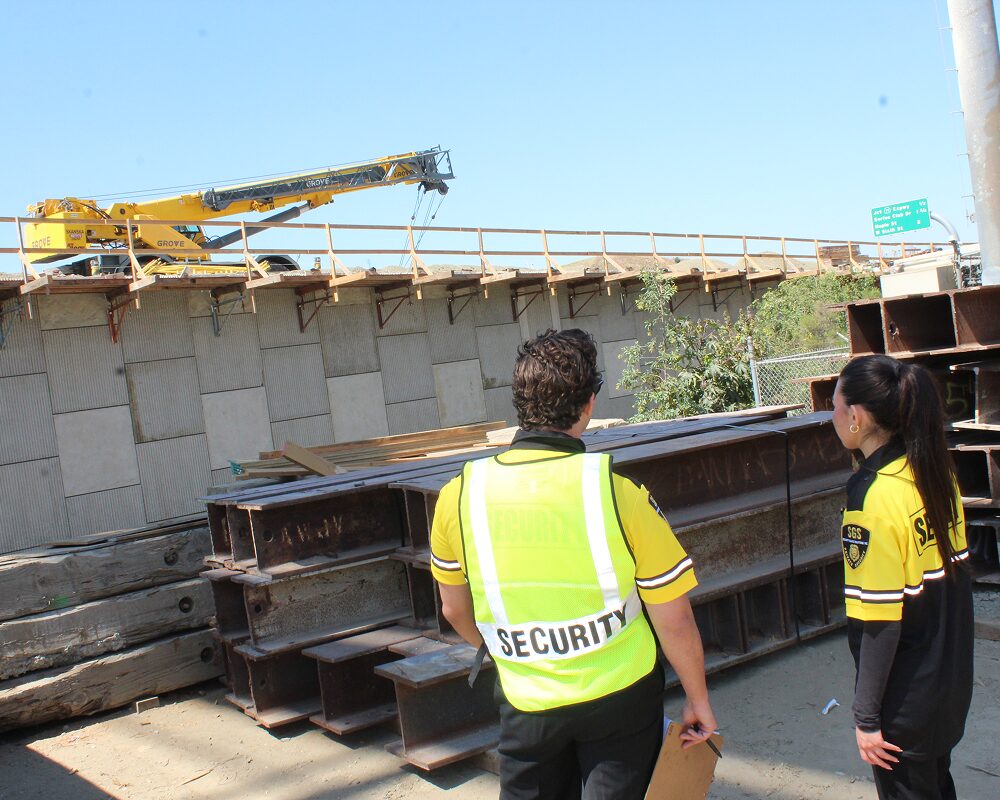
Temporary structures, exposed wiring, and unfinished walls increase ignition potential. It makes fire watch essential for construction sites, making sure that layered safety approaches are in place.
Industrial Hot Work Near Combustibles
Factories often store flammable materials, making spark control critical.
Impaired Fire Protection Systems
If sprinklers, alarms, or extinguishers are offline, assigning a fire watch becomes even more important. This is also where comparisons like fire watch guards vs fire alarm and fire watch guard vs firefighters help teams understand who handles prevention versus emergency suppression
How Long Is Fire Watch Required After Hot Work?
The need for fire watch after hot work stems from the fact that many fires start later, not during the task itself.
Why Does Delayed Ignition Happen?
- Heat is trapped in walls or insulation.
- Sparks landing in concealed spaces
- Slow-burning debris igniting hours later
Typical Monitoring Timeframes
A fire watch is typically required for at least 30 minutes after hot work or welding is completed, but the duration can extend longer depending on site risks and local fire codes. Areas with combustible materials or poor ventilation often require additional monitoring time to catch delayed ignition.
Factors That Influence Duration
- Local fire codes
- Ventilation conditions
- Size of the work area
- Type of materials nearby
- Complexity of the structure
Ignoring post-work observation is one of the most common causes of avoidable fire incidents.
Fire Watcher Duties and Responsibilities During Hot Work
The fire watcher’s duties and responsibilities extend far beyond standing nearby. Their role is active and structured.
Core Responsibilities
- Continuous observation of the work zone
- Checking adjacent rooms, ceilings, and hidden spaces
- Keeping fire extinguishers accessible
- Responding immediately to smoke or sparks
- Alerting supervisors or emergency services if needed
- Knowing evacuation routes and alarm procedures
- Recording incidents, times, and safety checks
These tasks highlight why trained hot work fire watch guards are preferred over casual assignment.
Hot Work Fire Watch Checklist
Precaution is always better. Specifically, when it comes to intense situations like a fire case, where things can abruptly go wild. A practical hot work fire watch checklist keeps safety steps organized and easy to follow:
- Confirm that a valid hot work permit is issued
- Inspect the work area for combustibles
- Remove or shield flammable materials
- Verify fire extinguishers are present and functional
- Check alarms and sprinklers are operational
- Identify exits and evacuation routes
- Monitor adjacent and concealed spaces
- Maintain clear communication with supervisors
- Continue monitoring after work completion
- Document the start and end times of the fire watch
- Report hazards or near-miss incidents immediately
This checklist acts as a daily reference rather than a one-time form.
Why Hire Professional Fire Watch Security for Hot Work?
Choosing professional fire watch security for hot work brings structure and accountability that in-house monitoring often lacks. There are several benefits of a professionally-trained fire watch guard:
- Reduced liability risks
- Faster emergency response
- Better training and certification
- Consistent monitoring without distractions
- Familiarity with OSHA and NFPA expectations
- Accurate documentation and incident reporting
Businesses that rely on professional guards often experience fewer compliance issues and improved overall site discipline.
Final Thoughts
To finalize, hot work tasks may be short, but their risks can linger long after the tools are put away. Assigning a structured hot work fire watch, understanding OSHA hot work fire watch requirements, and following NFPA hot work fire watch requirements help organizations stay proactive rather than reactive.
From identifying hazards to documenting inspections and maintaining post-work observation, fire watch practices build a stronger safety culture across construction sites, industrial facilities, and maintenance operations. When trained guards, clear procedures, and professional fire watch for hot work come together, the chances of preventable fires drop significantly, protecting people, property, and project timelines alike.
With over 20 years of industry experience, SGS (Security Guard Solutions) has supported businesses with dedicated fire watch and on-site security services tailored to high-risk environments. Our trained personnel, round-the-clock availability, and strong compliance knowledge make us a reliable partner for projects that demand constant vigilance and professional oversight. Contact us today.
Need a Fire Watch for Your Next Project?
Get fast, reliable fire watch coverage for welding, cutting, and high-risk operations. Request a customized quote today and keep your site protected.