Key Takeaways
- Fire watch guards protect warehouses when alarms or sprinklers are impaired.
- Hot work near combustibles always requires a dedicated fire watch.
- Large warehouses need multiple guards to cover all high-risk zones.
- Proper patrols, documentation, and planning reduce fire and compliance risks.
You arrive at the warehouse before the shift starts, and the ceiling smells faintly of old cardboard, the racking towers like little cities of product, and you think, could one spark change everything? That ordinary moment matters, and it’s exactly why a clear plan for a fire watch for warehouses matters too.
This piece walks through when a fire watch is required, what it looks like in a large distribution center, and practical steps you can take to keep people and inventory safe. Along the way, you’ll see how systems, people, and policy fit together, and when to bring in outside help.
Why Warehouses Are a Special Fire Risk?
Warehouses store lots of material, often stacked high. That creates a high fuel load, and in practice, it changes how a fire behaves. High-piled storage gives a fire vertical room to grow; smoke can hide in the racks, and ceiling-mounted detectors may not catch a smoldering problem until it becomes obvious.
In addition, common warehouse hazards amplify the risk. Forklift battery charging creates heat and electrical risk. Packaging materials like cardboard and shrink wrap burn faster than many realize. Loading docks are busy, and temporary contractors often bring hot work or tools that aren’t part of daily operations.
Understanding fire risks and hazards helps you target inspections, and it forces you to think beyond “will the alarm sound.” It also makes clear why a fire watch distribution center plan needs to be different from an office building plan.
What Triggers Fire Watch in a Warehouse?
You might think a fire watch is a blanket precaution; however, it is usually a specific response to specific problems. Below are the most common triggers under typical codes and practices.
Sprinkler or Alarm System Impairment
A fire watch is commonly required when a fire protection system for warehouse operations is impaired. For practical purposes, many authorities treat impairment as any time alarms or sprinklers are out of service for more than four hours within a 24-hour period. Partial impairments count too, so one offline zone often triggers the requirement.
When systems are offline, human monitoring replaces automatic detection until the system is repaired and verified. Documentation of the impairment and the watch is essential.
Hot Work
Hot work, like welding, cutting, or grinding, often requires a hot work fire watch regardless of system status. If this work takes place within about 35 feet of combustible materials, a fire watch is generally required. In addition, NFPA 51B calls for a post-work watch lasting at least 60 minutes to check for smoldering embers and delayed ignition that may not be visible right away.
This is one area where planning ahead pays off, because scheduling, clear hot work permits, and a trained watcher reduce the chance of something small becoming a big problem.
High-Piled Combustible Storage
High-piled storage changes suppression dynamics. If the in-rack sprinklers or the system that serves high-rack aisles are impaired, a fire code official may require a high-piled storage fire watch. The vertical spread risk means patrols need to inspect multiple elevations, not just the visible top of the rack.
Construction or Renovation Inside the Facility
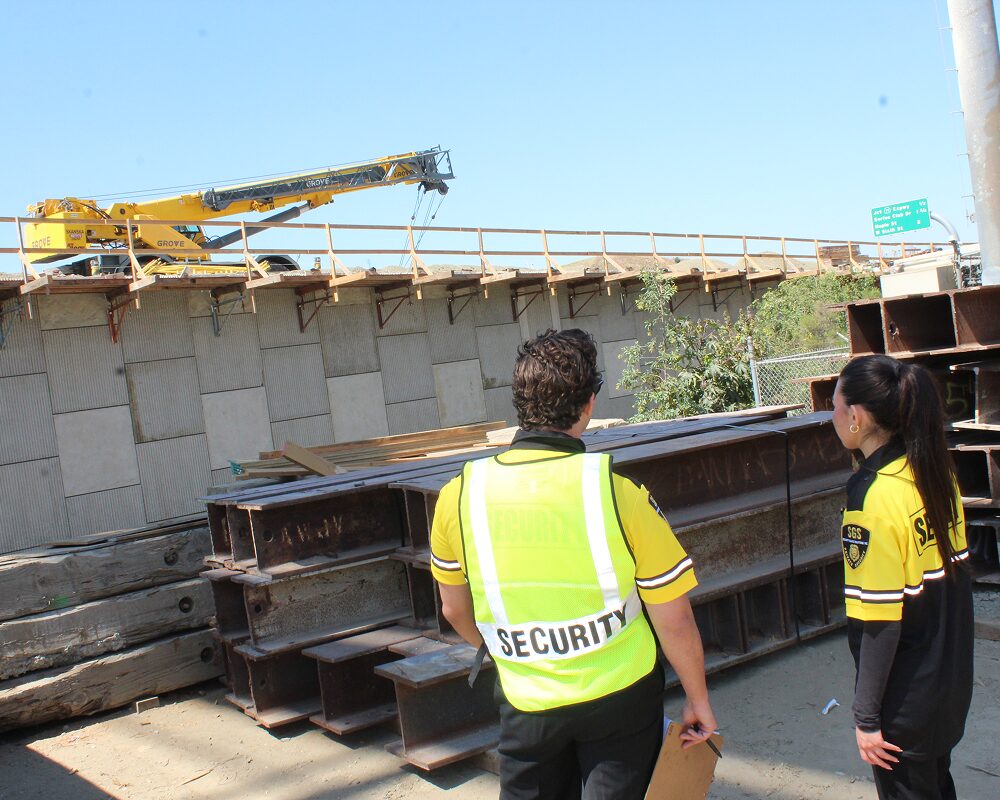
Tenant improvements, roof repairs, or any work that disables alarm zones or sprinkler coverage can trigger an overnight or shift-based watch. For example, if a roof crew ties up detection wiring, the fire watch security for construction sites becomes the practical fallback until protection is restored.
Warehouse Fire Protection System Down?
When alarms or sprinklers fail, warehouses require constant monitoring to prevent fires and maintain compliance. SGS deploys trained fire watch guards fast.
What Makes Warehouse Fire Watch Different from Other Buildings
Warehouses are not scaled-up offices. The size, commodity mix, and round-the-clock operations change how a fire watch must be planned and executed.
Scale of Patrol
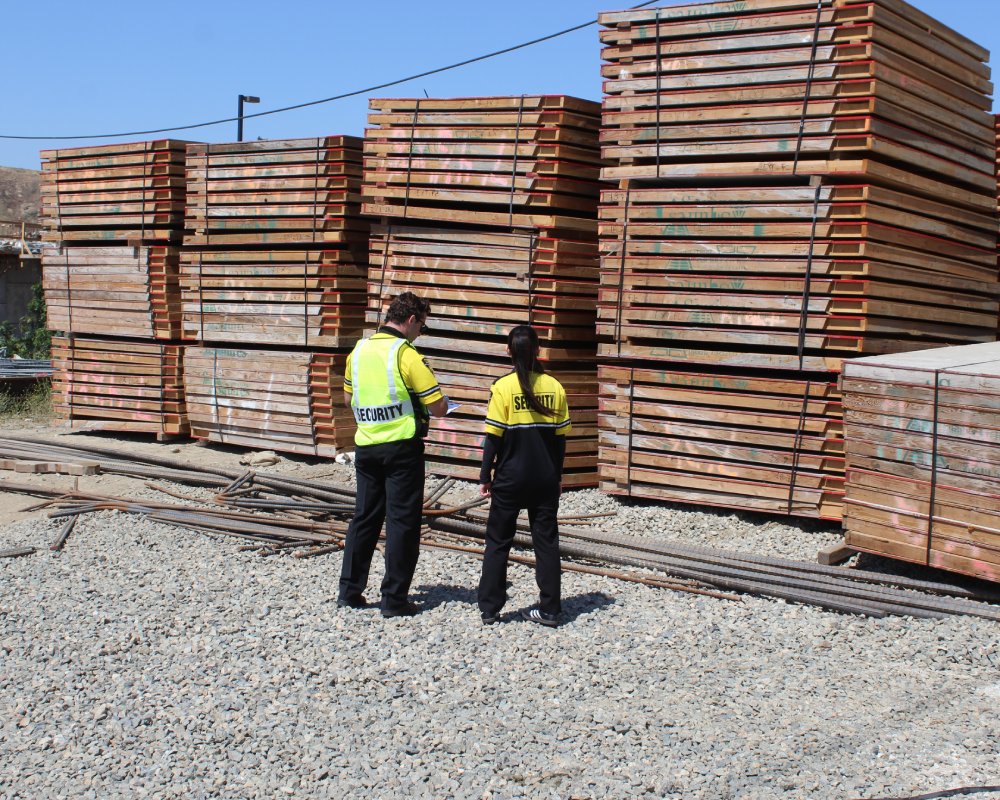
Large distribution centers can span many acres. That means multiple personnel often cover separate zones, and patrol routes must be pre-planned. A single-person watch for a 500,000 square foot facility is usually insufficient.
Commodity Classification
NFPA classifies commodities by their combustibility, in classes I through IV, and changes in packaging or product moving into a different class can change your obligations. Swapping from cardboard-packed items to pallets wrapped in more plastic can increase hazard classification overnight.
Sprinkler System Complexity
In-rack sprinklers create multi-level coverage. When an in-rack section is out, the gap exists at several elevations, so a patrol must check under racks, between pallets, and on mezzanines. In reference to NFPA 25, warehouse fire watch becomes important for inspection and testing practices.
24/7 Operations
Many distribution centers run around the clock; a fire watch must run through shifts continuously during an impairment. Shift handoff documentation becomes critical because a missed note at 2 a.m. can be the weak link that turns a near-miss into a loss.
Fire Watch Personnel Requirements in Warehouses
You might ask, what do fire watch guards do, really? The answer is straightforward but disciplined.
MUST DO:
- Patrol the impaired zones at the Authority Having Jurisdiction at specified intervals and record each check with a timestamped log.
- Know the facility layout, including docks, charging stations, and any hazmat or high-hazard areas.
- Maintain sole-duty focus, no warehouse tasks during a watch. That means no operating forklifts or stacking palettes while watching for fire.
- Carry a direct means of contacting the fire department and be able to describe the location and conditions quickly.
CANNOT DO:
- Double as a forklift operator, picker, or maintenance tech while assigned to fire watch.
- Terminate a fire watch before the AHJ signs off, or before systems are fully restored and tested.
This separation of duties matters because the difference between an alarm and someone seeing a smoldering pallet early can be the difference between a minor interruption and a major loss. It also frames why the importance of fire watch guards is not a paperwork exercise; it is a practical safety measure.
What Happens If You Don’t Have a Fire Watch
Non-compliance is costly. Daily fines start immediately, and each day counts as a separate offense. Beyond that, required protections help prevent serious losses. Warehouse fires alone have caused an average of 3 deaths, 19 injuries, and $323 million in property damage per year, much of which could have been avoided with proper fire watch procedures. Missing these safeguards can also jeopardize insurance, increase liability during inspections, and trigger inventory losses or SLA breaches that disrupt operations.
In addition, in places with strict enforcement, such as certain municipalities, the fire watch requirement in California can be enforced quickly and with little leniency. That is why some managers treat the watch as part of the cost of doing business, not an optional add-on.
Best Practices for Warehouse Managers
Practical steps make implementation easier than it sounds.
- Map your fire watch zones in advance, and keep maps updated with inventory and layout changes.
- Pre-qualify a fire watch vendor and verify training records, references, and documentation practices.
- Build hot work into your fire watch policy, with permits, controls, and the required 60-minute post-checks.
- Update the plan whenever inventory or shelving configurations change.
- Document everything, because records are the evidence inspectors and insurers want to see.
These steps reduce friction during an impairment, and they make enforcement and restoration smoother.
About Security Guard Solutions, INC., Fire Watch, and Warehouse Support
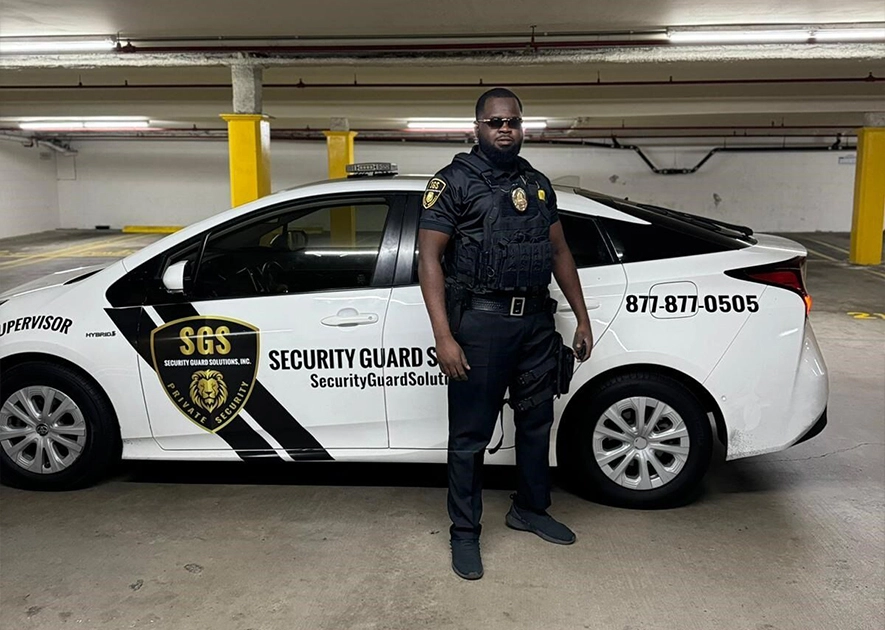
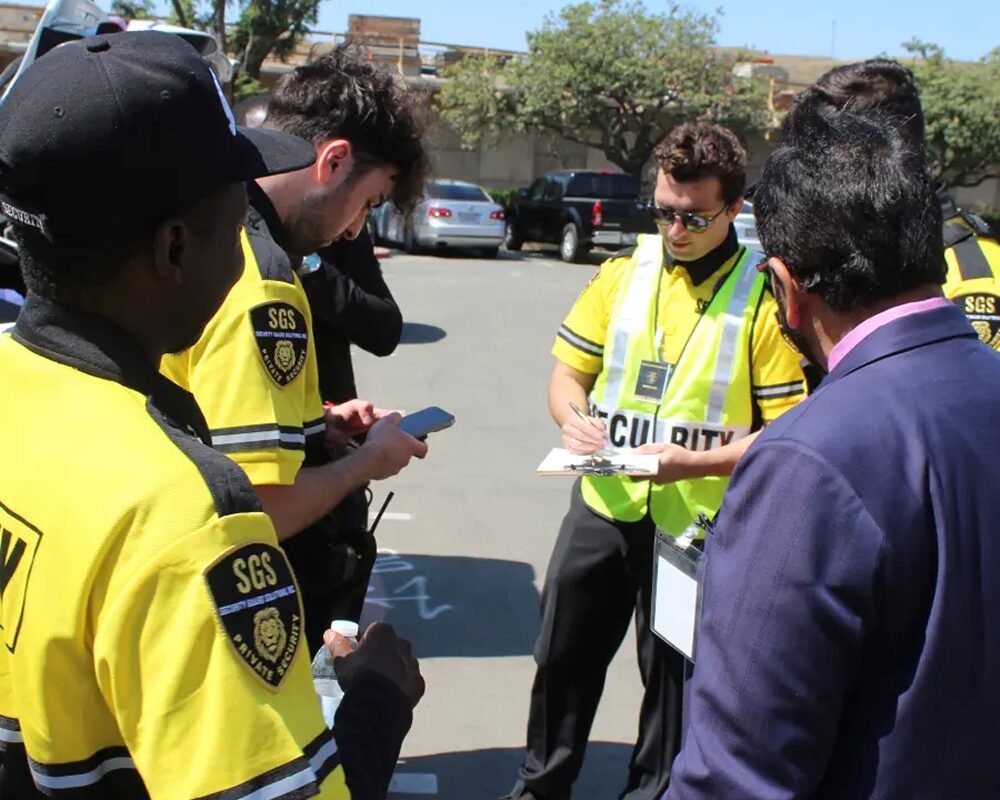
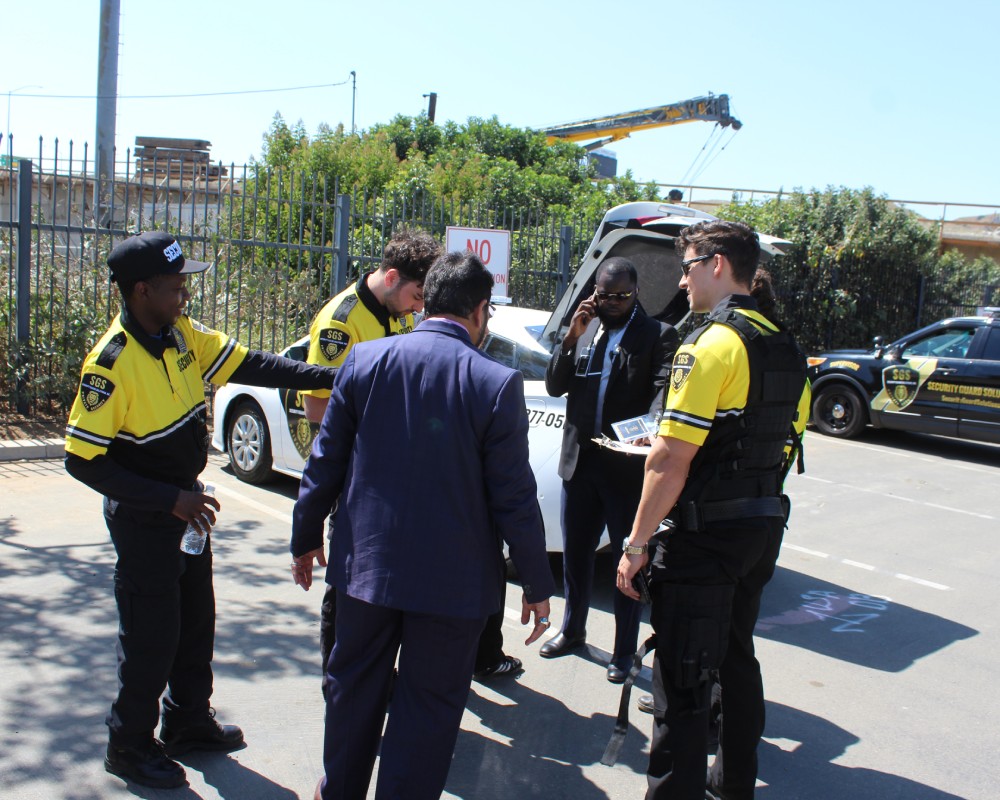
Security Guard Solutions provides trained fire watch guards for warehouses and distribution centers across California and Texas. When fire protection systems are impaired, facilities often require continuous monitoring to maintain safety and stay aligned with local compliance expectations. Our personnel patrol designated areas, observe potential hazards, and maintain detailed activity logs that can support inspections or internal safety reviews.
Our teams are familiar with warehouse environments where high-piled storage, heavy equipment, and large open spaces can increase fire risk. By monitoring conditions and reporting concerns quickly, Security Guard Solutions helps facilities maintain temporary fire watch coverage while normal fire protection systems are being repaired or restored.
Conclusion
Warehouses face unique fire risks from high-piled storage, large inventories, and constant activity. When protection systems are impaired, a well-managed fire watch for warehouses ensures safety until full systems are restored. Effective fire watch includes planned patrols, trained personnel, and clear documentation.
Preparation is key: mapping zones, reviewing hot work procedures, and maintaining safety policies make temporary monitoring more effective. With these measures, facilities can uphold safety standards and continue operations while fire protection systems are repaired or restored.
Need Fire Watch Coverage for Your Warehouse?
Protect your inventory and stay compliant during system outages. Security Guard Solutions provides rapid-response fire watch guards for warehouses and distribution centers.
Frequently Asked Questions
When is a fire watch required in a warehouse?
Typically, when alarm or sprinkler systems are impaired for more than four hours in a 24-hour period, during hot work near combustibles, or when construction disables detection or suppression.
Can warehouse employees perform fire watch duty?
In some cases, yes; however, they must be dedicated to the watch, trained, and not performing other tasks. Many facilities choose an outside, pre-qualified provider to avoid conflicts of duty.
How many fire watch guards does a large warehouse need?
That depends on square footage, layout, and commodity, but large distribution centers often require multiple guards covering assigned zones to meet AHJ intervals.
What is the 4-hour rule for warehouse fire watch?
It is a commonly used benchmark: if required systems are out for more than four hours within a 24-hour period, a fire watch is typically required, though local codes and the AHJ may vary.
How long must fire watch continue after a sprinkler system is repaired?
The watch should continue until the system is fully restored, tested, and the AHJ approves termination. For hot work, NFPA 51B recommends at least a 60-minute post-work watch.