
Key Takeaways
- Texas fire watch requirements vary by city, not statewide.
- Fire watch must begin quickly after system impairment.
- Hot work requires trained personnel and post-work monitoring.
- Only the fire marshal can officially end a fire watch.
What Is Fire Watch in Texas? And Why It Matters
A fire watch in Texas is a temporary safety measure required when a fire protection system is not working properly. If your fire alarm, sprinkler system, or water supply is impaired, trained personnel must patrol the building and look for signs of smoke, fire, or unsafe conditions. Their job is simple but critical, and that’s why people commonly compare fire watch guards with alarms (which is just another way of inviting danger).
Texas adds another layer of urgency. Long summers, high winds, large industrial sites, and fast-growing cities increase fire risk. From Houston refineries to Dallas, high-rises and rural construction projects, hazards vary widely. Undeniably, the presence of these hazards equally shows the importance of fire watch security guards. There is also no single statewide fire code. Each city adopts and amends the International Fire Code differently.
That local patchwork means requirements can change depending on where your property sits. Understanding who sets and enforces those rules is the next piece of the puzzle.
Who Sets and Enforces Fire Watch Rules in Texas?
Fire watch in Texas is not controlled by a single statewide code. Instead, several agencies share authority, and local cities have the final say. That structure often surprises property owners who assume the rules are the same everywhere. They are not.
The Texas State Fire Marshal’s Office, part of the Texas Department of Insurance, develops statewide fire safety guidance and enforces certain regulations. The Texas Commission on Fire Protection oversees certification standards for fire protection personnel across the state.
At the local level, city fire marshals carry the most direct authority. Cities such as Dallas, Houston, and San Antonio adopt their own versions of the International Fire Code that Texas uses, often with amendments. These local officials decide when a fire watch is required and how it must be performed.
Federal OSHA also plays a role, especially for workplace hot work operations. Texas does not operate its own OSHA plan, so federal standards apply.
Because requirements differ by city, always confirm expectations with your local fire marshal before assuming you are compliant.
When You’ll Need a Fire Watch in Texas
There is a common misconception that a fire watch guard is a fancy name for firefighters; however, the former is a precautionary measure, and the latter is used after the damage has been done. Fire watch is not optional when systems fail or activities raise fire risk. In Texas, the trigger depends on the situation and the local fire marshal’s rules.
Below are the common reasons you may be required to post a fire watch, with practical details, so you know what to expect and when to act.
System Impairment
A system impairment includes any outage of fire alarms, sprinklers, or water supply that reduces protection. Common triggers are sprinkler work, alarm panel failures, or repeated nuisance alarms that force a shutdown.
Most Texas cities expect fire watch coverage quickly; many local codes follow a four-hour target to have patrols in place after an impairment is discovered. During that time, trained personnel must patrol compromised areas, report hazards, and keep clear, timestamped logs until systems are restored and verified by authorities.
Hot Work
Hot work means welding, cutting, or brazing near combustibles. NFPA 51B guides hot work fire watch practices and is referenced by both the International Fire Code and OSHA standards. In Texas, watch rules typically apply within about 35 feet of the hot work. After the work ends, a post-hot-work watch of at least 60 minutes is common to ensure no smoldering fires remain.
Places of Assembly and Events
Large crowds, staged productions, or temporary events can prompt a fire watch order. Local fire code officials assess occupancy, venue layout, and activity type. If required, personnel must remain on duty for the full time the venue is open to the public and be ready to contact emergency responders immediately.
Construction and Demolition
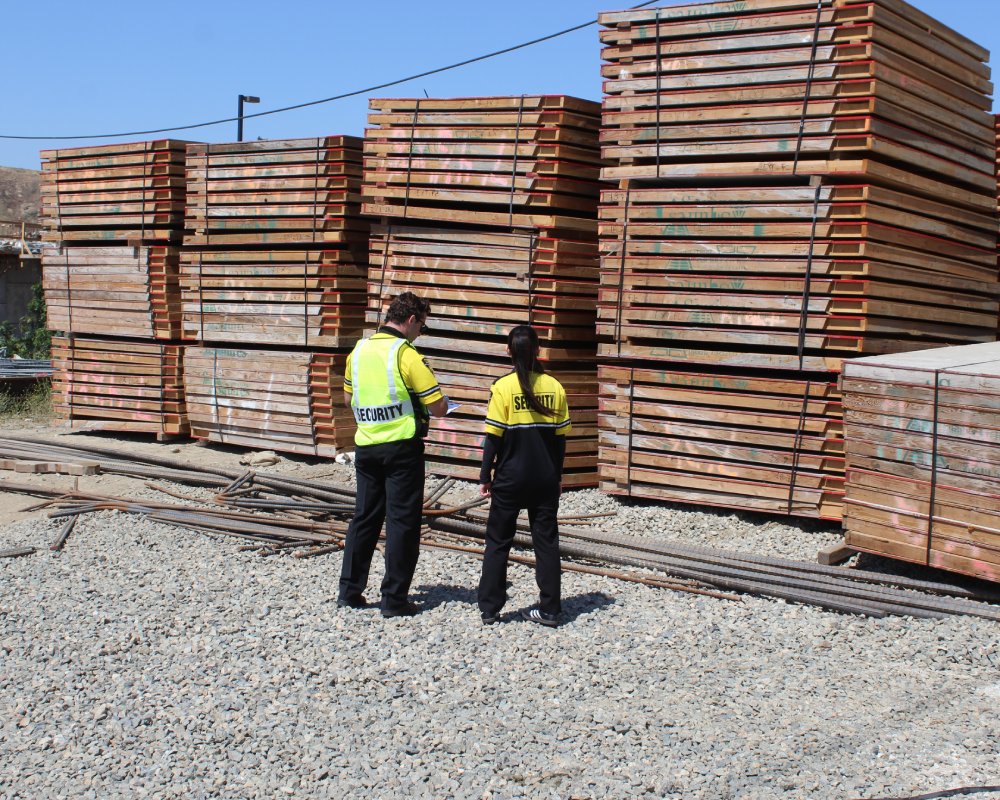
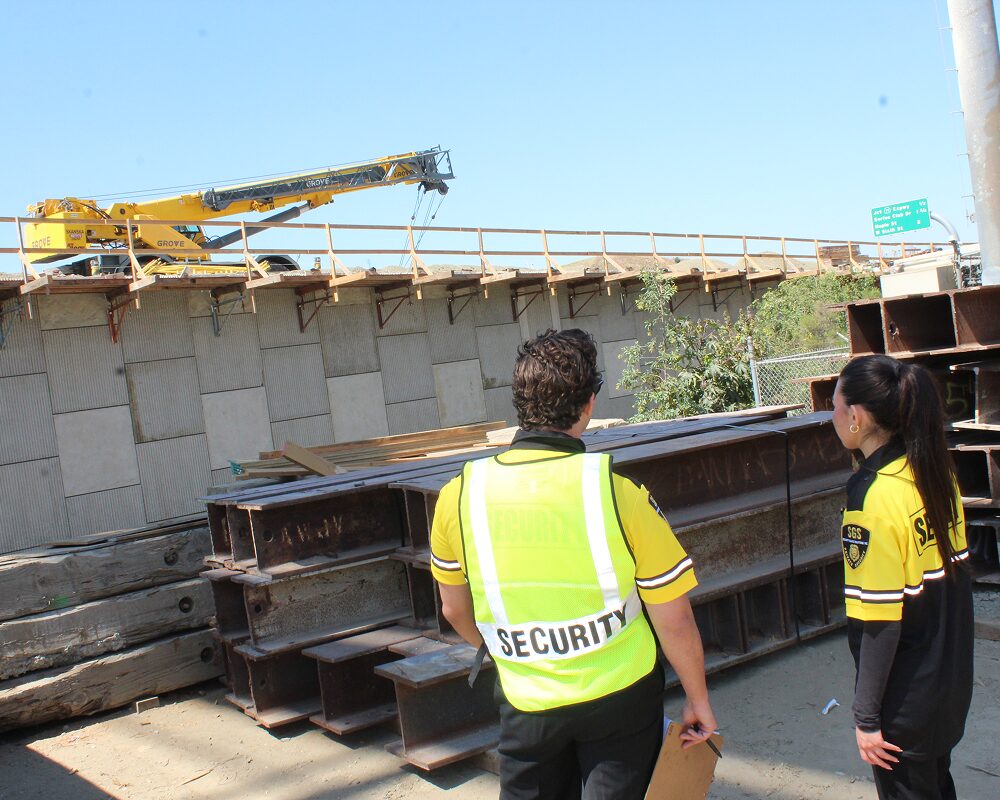
On building sites, fire watch is often written into the site safety plan. Personnel need extinguisher training, frequent patrols, and meticulous records of inspections and incidents. These logs protect workers and show compliance with the local fire marshal.
Understanding these triggers helps you prepare staffing and notification plans before trouble starts, which leads directly to who can perform fire watch and what they must do.
Need an Immediate Fire Watch Coverage in Texas?
When alarms or sprinklers fail, trained fire watch guards must monitor your property and maintain compliant logs. SGS deploys certified personnel fast across Texas.
Who Can Do Fire Watch: Duties and Limits
Posting a fire watch is not just about putting someone on-site. Texas fire watch personnel must follow clear rules about what they do, what they avoid, and who qualifies. Local fire marshals expect discipline, attention, and proper documentation at all times.
Core Duties of a Fire Watch Guard
Fire watch personnel in Texas must patrol all affected areas at intervals ordered by the fire marshal. They must focus only on fire watch duties and perform no unrelated tasks. At least one reliable method to contact the fire department must remain available at all times. Personnel should understand the building layout, exits, and emergency procedures.
Every patrol requires a detailed, timestamped fire watch log noting locations checked, conditions observed, and any hazards reported.
What They Must Not Do
Fire watch personnel cannot take on security, maintenance, or other duties that distract from monitoring fire risk. They also cannot end the fire watch on their own. Only the Fire Chief or local Fire Marshal can approve termination after systems are restored.
Personnel Qualifications in Texas
Most cities require fire watch personnel to be ambulatory and able to read and write English. Some, including Dallas and Mansfield, require personnel to be at least 21 years old. Training in fire detection, extinguisher use, and emergency response is expected, and local fire marshal approval may be required.
How you prepare for scheduled repairs versus sudden failures affects how these personnel are deployed and notified.
How to Handle Scheduled Work vs. Sudden Failures
Planned system downtime and unexpected failures both trigger Texas fire watch requirements, but your response timeline changes. Preparation makes all the difference when inspectors review your actions later.
Planned impairments
- When repairs are scheduled, take these steps:
- Notify the local Fire Marshal’s Office, often 72 hours in advance.
- Confirm the scope and duration of the impairment.
- Notify tenants and the alarm monitoring company.
- Tag affected equipment clearly as out of service.
- Arrange fire watch personnel before work begins.
Planning ahead reduces confusion and shows good faith compliance.
Unplanned impairments
- When systems fail without warning, speed matters:
- Notify the Fire Marshal immediately.
- Contact your monitoring company.
- Deploy fire watch personnel within four hours where required.
- Document every action taken.
Pro tip: Keep a pre-approved fire watch vendor on contract, so you are not scrambling during an emergency.
Proper documentation of both situations leads directly to what your fire watch log must include.
Quick Look at How Major Texas Cities Differ
Texas fire watch requirements shift from city to city because each municipality adopts and amends the International Fire Code on its own terms. That means age limits, notice periods, and enforcement practices can vary even within the same county. Property owners who operate in multiple cities must pay close attention to local amendments and fire marshal guidance.
Below is a simplified snapshot for reference only. Always confirm current requirements directly with your local Fire Marshal’s Office before scheduling work or assigning fire watch personnel.
| City | Code Adopted | Min. Age | Advance Notice | Post-Hot-Work |
|---|---|---|---|---|
| Dallas | IFC 2021 | 21 | Not specified | 60 min |
| San Antonio | IFC 2021 | Not specified | Not specified | 60 min |
| Denton | IFC 2021 | Not specified | 72 hours | Per Marshal |
| Celina | IFC (local) | Not specified | 72 hours | Per Marshal |
| Mansfield | Local code | 21 | Contact Fire Rescue | Per Marshal |
| Austin | IFC 2021 | Not specified | Not specified | 60 min |
Knowing these differences helps you build smarter internal procedures before inspections ever happen.
Best Practices for Fire Watch in Texas
Good preparation turns fire watch from a scramble into a routine. Start by knowing local rules and naming who will act when systems go down. The list below gives simple, practical steps you can implement today.
- Know your local fire marshal and their notification rules.
- Keep a pre-approved fire watch vendor under contract for rapid deployment.
- Create a 72-hour notification plan for planned outages where required.
- Assign an impairment coordinator and publish the response plan.
- Keep detailed, timestamped logs and store them centrally.
- Train staff on sole-duty rules, extinguisher use, and communication protocols.
- Run regular drills and audits to test staffing and documentation.
- Keep emergency contacts updated and reachable at all times.
These actions cut legal risk and keep people safer. With clear records and a tested plan, inspections and insurance reviews go more smoothly.
Conclusion
Texas fire watch requirements are not optional. When a fire protection system impairment happens, you are expected to act quickly, document everything, and follow local fire marshal orders. Because Texas cities adopt and amend the International Fire Code differently, assuming the rules are the same everywhere can cost you.
A clear plan, trained fire watch personnel, and proper logs protect your property, tenants, and operations. Security Guard Solutions Inc provides reliable fire watch services that Texas property owners can depend on, with rapid deployment and trained staff ready to respond. Contact SGS today to secure compliant fire watch coverage before the next emergency forces your hand.
Fire System Down? Deploy Fire Watch Guards Fast
Don’t risk fines or safety violations. Security Guard Solutions provides rapid-response fire watch guards to keep your property compliant and protected.
FAQs
What triggers fire watch in Texas?
Fire watch is typically triggered by a fire protection system impairment Texas officials identify, such as alarm or sprinkler outages, major hot work, or large public events ordered by the fire marshal.
How long must fire watch be maintained after hot work?
Under NFPA 51B fire watch requirements, a post-hot-work fire watch must remain in place for at least 60 minutes after welding, cutting, or brazing ends.
Can my employees perform fire watch?
Yes, if they meet local fire marshal requirements, follow sole-duty rules, and are trained in detection, extinguisher use, and emergency reporting procedures.
Does Texas have a single statewide fire code?
No. Texas does not enforce a unified code. Cities adopt and amend the International Fire Code Texas uses, so rules vary locally.
What are the penalties for skipping fire watch?
Penalties may include citations, fines, stop-work orders, failed inspections, insurance issues, and potential liability if a fire causes injury or property damage.