A thief dropped through the ceiling of a jewelry shop on Ventura Boulevard in Woodland Hills, CA and emptied display cases in under ten minutes. The video made headlines. It proved a hard truth: security cameras and security alarms can show a crime and alert you, but they do not always stop it. For business owners like you, this is not just a headline; it means lost stock, higher insurance premiums, shaken customers, repair bills, and the real chance that staff or owners will feel unsafe. That pain hits cash flow, reputation, and sleep.
Read on to see why human presence matters and how on-site security guards act faster than apps. Let’s discuss the Woodland Hills incident in detail, then show practical steps you can take right now to protect your business.
Key Takeaways
Alarms and cameras alert you, but cannot stop a thief.
On-site guards act immediately and prevent crime in progress.
Patrols and human observation spot weak points cameras miss.
Combining guards, monitoring, and simple upgrades lowers risk fast.
Why cameras and security alarms often fail to stop real thefts
Before we jump to incident, let’s be clear about the limits. Cameras and security alarms spot trouble and record it, but they do not put a person between your stock and a thief. Read this to understand where to focus your next moves.
Detection versus intervention
Cameras catch the act on film and security alarms alert you the moment something breaks. That alert can ping your phone, but it does not block a thief from leaving. You still need to call for help and wait for a response. In many break-ins, the whole event lasts less than ten minutes, which is faster than most external teams can arrive. In short, detection alone rarely equals prevention.
Blind spots, tampering, and determined thieves
Skilled intruders look for weak points (roofs, skylights, windows, and ceiling tiles) that are classic blind spots that many systems miss. Some try to cut feeds or test cameras, and tampering can happen faster than owners expect. Turning lights on or talking through an app may stop an amateur, but a planned thief often keeps working. Evidence is valuable for police and insurance, but prevention is better. That gap between an alert and a physical response is where losses happen.
The Ventura Boulevard burglary: what happened and why it matters
On Feb. 7, 2026, around 2:45 a.m., a burglar scaled the roof of Nafiseh Jewelry on Ventura Boulevard, slipped through a ceiling tile, and began ransacking display cases while the neighborhood slept. Security cameras recorded the entire act, giving a clear image of the suspect and a timeline of his actions, yet that footage only proved the crime after it happened and could not stop the thief from taking valuable items.
Source: KTLA News
The owner called for help immediately, but the police did not arrive in time. In less than ten minutes, the intruder had entered, stolen goods, and disappeared.
This was not the shop’s first break-in; the family reported a similar incident months earlier, and now they face repair bills, higher premiums, and a growing fear that their location may have been watched, which is a direct hit to business safety.
“The fact this guy was able to go up there without using a ladder and without being noticed by the neighbors back there — How did he get up there? How did he go behind the cameras and turn those off?”
Nezafati (The owner) said Tweet
Could this be your shop?
The video and alarm give proof and warn you, yet they also expose a bitter truth: security technology like alarms and cameras alone often fail to stop fast, planned thefts.
What on-site security guards do that cameras and alarms cannot
At some point, technology reaches its limit. When a crime is in progress, only a trained human on the ground can step in, read the situation, and act. This is where on-site security guards change the outcome from documentation to prevention.
Visible deterrence and immediate intervention
On-site security guards deter crime before it starts because thieves avoid places where someone can confront them. A standing guard creates instant risk for anyone planning a break-in, especially after hours. If an intrusion begins, a guard can intervene right away instead of watching it unfold on a screen. That immediate presence often ends the attempt before property is damaged or stolen. Unlike alarms, guards do not wait for instructions.
Patrols, roof and perimeter checks, and human judgment
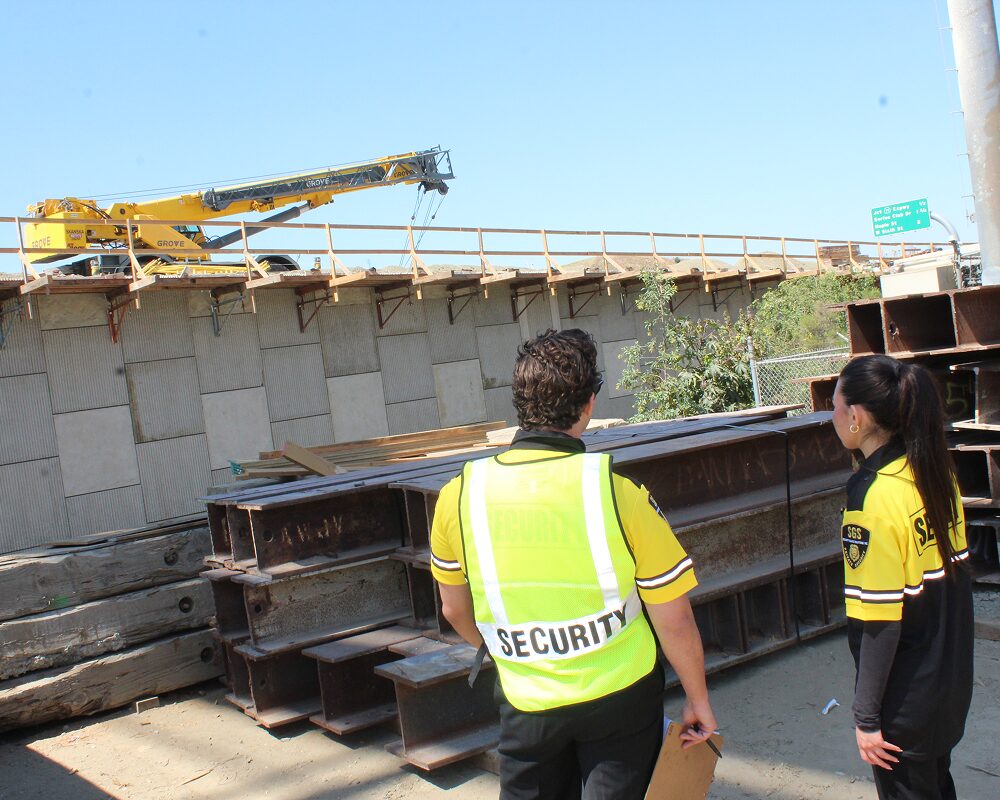
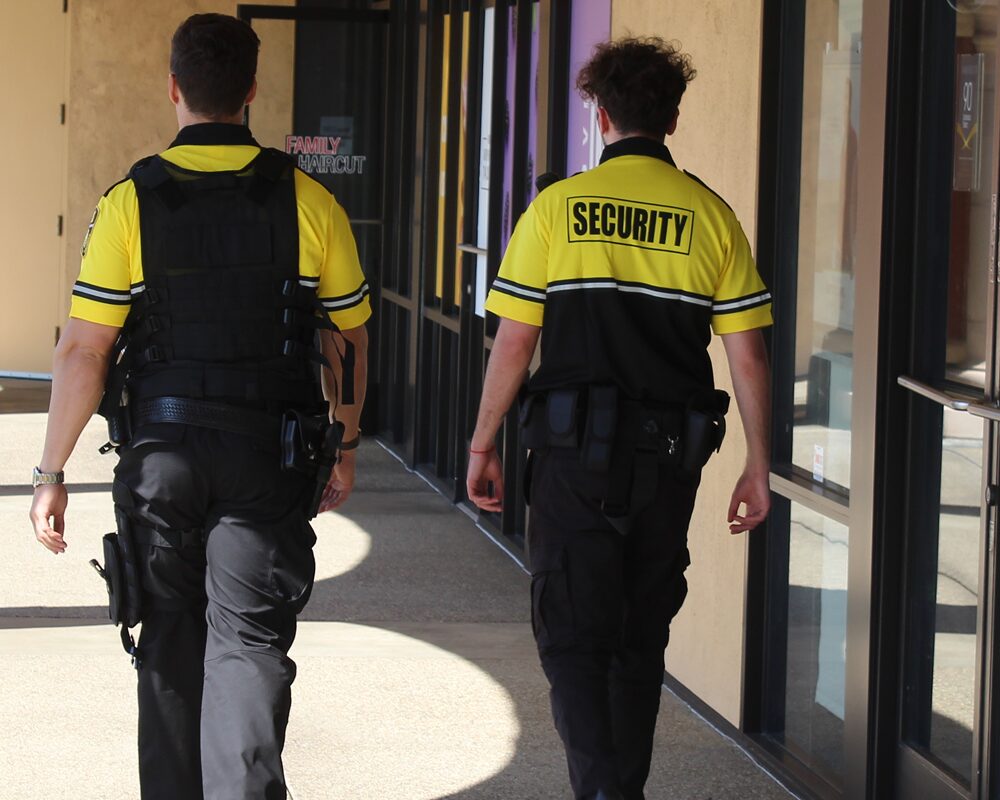
Guards perform regular patrols that cover doors, alleys, rooftops, and interior spaces that cameras often miss. They notice patterns over time, such as someone lingering, watching routines, or testing access points. That human judgment matters because guards can flag blind spots and suggest fixes before a crime happens. When something feels off, a guard can act on instinct and training, not just sensors.
Armed vs Unarmed: what to consider
When discussing the need and use cases of armed and unarmed security, It is essential to first learn about their differences.
Not every site needs armed security, but some high-risk locations do benefit from it. Armed security may be appropriate for high-value goods, late-night operations, or repeat targets, while unarmed security guards work well for visibility, access control, and patrol. The right choice depends on risk, local laws, and comfort level. In both cases, on-site security guards coordinate with police and secure the scene after an incident.
Now, let’s map these exact guard actions to the Woodland Hills burglary and show how Security Guard Solutions could have changed that outcome.
Case study mapping: How SGS would have altered the Woodland Hills, California outcome
When you break the Woodland Hills burglary down step by step, the failure points line up clearly. The suspect reached the roof without being noticed, chose a ceiling entry point, moved fast inside, and exited before any physical response arrived. That sequence relies on isolation and time. With commercial security in place, each of those steps becomes harder to execute. For example, patrol routes are not random walks. Our patrolling services make sure that the routes are planned to cover rooftops, rear alleys, and access paths that thieves prefer because they feel unseen. As a result, the risk of being spotted rises before the break-in even starts.
In addition, an on-site or nearby guard shifts the timeline. Instead of alarms sending alerts and waiting for help, guards provide a rapid response at the property. They approach, assess, and act while coordinating with police. After the incident, security guards do not just leave. They document entry methods, review camera placement, and recommend targeted fixes, so the same path cannot be used again.
Immediate SGS actions would include:
- Scheduled night patrols that physically inspect roof lines, ceiling access points, and rear approaches at set intervals.
- Guard presence during high-risk hours to reduce isolation and interrupt attempts before entry.
- Immediate guard dispatch when alarms trigger, creating physical intervention instead of app alerts.
- Specific recommendations to reinforce ceiling structures, lock points, and camera angles tied to how the intruder entered.
The lesson is simple: planned theft exploits delay and isolation. Next, we will outline the exact steps you can take this week to reduce that window in your own business.
Practical checklist for business owners: immediate steps to reduce risk
You do not need to overhaul everything at once to lower your risk. Small, focused changes made this week can reduce exposure and show criminals that your property is not an easy target. This applies to storefronts, warehouses, and even mixed-use locations where residential security matters because owners or staff live on site.
Start with these priorities:
- Walk your roof, ceiling areas, and rear access points to spot weak entry paths.
- Add visible guard presence during late-night or low-traffic hours.
- Schedule a professional security audit to identify blind spots and response gaps.
When to call for a security audit
If you find gaps, repeat incidents, or unclear response plans, schedule a professional security audit to pinpoint blind spots and response delays. These actions raise protection fast.
Response time comparison at a glance
When a break-in starts, minutes decide the outcome. This quick comparison shows how different responses affect what happens next, and why physical presence often changes the result.
| Incident Type | Typical Response Time | Likely Outcome |
|---|---|---|
| Police | 8–12 minutes | Suspect often gone |
| Owner via app | Under 1 minute alert, no physical stop | Suspect often gone |
| On-site guard | 2–5 minutes | Interruption and possible recovery |
Response time alone does not tell the full story, but it explains a lot. Moving forward, we will answer common questions and share pro tips that owners ask before choosing coverage.
When Seconds Matter, Who’s Protecting Your Shop?
Our on-site security guards are trained for emergencies, and rapid response. Make your shops secure with a team you can rely on.
FAQ / Pro Tips
Business owners often ask us the same practical questions after seeing incidents like the Woodland Hills burglary. These quick answers clear up confusion and help you decide what level of protection actually makes sense for your property.
Can guards be combined with cameras?
Yes, pairing cameras with on-site guards and monitoring gives you both proof and immediate action.
Do guards only deter crime?
No, they intervene, control the scene, and preserve evidence until police arrive.
How fast can guards respond?
Response time depends on the plan, but on-site stationing is the fastest option.
Now that you know how layered security works, let’s wrap up with clear next steps and how Security Guard Solutions can help you act before another incident happens.
Concluding remarks and next steps
In summary, the Woodland Hills burglary shows a hard truth. Security cameras and security alarms can alert you, but they rarely stop a fast, planned theft. What protects your business is presence, awareness, and action. That is where on-site security guards make the difference by deterring crime, responding in real time, and closing weak points before they are exploited. We work with you to assess risk, set smart coverage, and protect what you have built. If you want fewer sleepless nights and real protection, request a free site survey or simply ask questions regarding how Security Guard Solutions makes your business safer. Our team will be happy to answer each of your questions.