Key Takeaways
- Estimate attendance and crowd behavior early to plan staffing, layout, and flow effectively.
- Trained personnel at key points prevent tension from escalating and improve overall safety.
- Thoughtful entry and exit management reduces bottlenecks and keeps movement steady.
- Clear venue zoning, signage, and gentle guidance maintain smooth crowd flow inside.
- Post-event review and continuous improvement strengthen safety for future events.
You know that calm-before-the-doors-open moment, when the lights are up and the crowd is still a promise? It’s quiet, but it also feels fragile. Surprisingly, a large portion of crowd-related incidents happen suddenly, often triggered by panic or unexpected crowd movement. This is exactly where effective crowd management and planning turns tension into order.
In this post, we walk through practical crowd management strategies for large events, so you can plan smart, keep people safe, and respond clearly when something unexpected happens.
How to Manage Large Crowds at Events Without Losing Control
Let’s start simple: control is not about force, it’s about structure. Good crowd management strategies for large events begin well before ticket sales, and they keep the human factor front and center. If you build systems that make sensible choices obvious, people follow them.
Estimating Crowd Size and Crowd Behavior Early
How many people will actually attend, and how will they behave? That single question shapes nearly every safety decision that follows. It helps to start with what you already know, such as ticket sales, past turnout for similar events, and local factors like weather or public transport access.
From there, behavior comes into play. A family-friendly event moves very differently than a high-energy concert or a corporate gathering. And those movement patterns directly affect safety planning.
Instead of relying on one fixed number, it’s more realistic to think in ranges and scenarios. Pay attention to where people are likely to slow down or cluster, such as near restrooms, food counters, or popular attractions.
It also helps to think ahead about moments that might spike excitement or movement, like a headline speaker taking the stage or a final performance. Handling this early strengthens large event crowd control, because staffing levels, barriers, and signage all follow the expected numbers and behaviors rather than guesswork.
Staffing for Crowd Control, Why Trained Personnel Matter
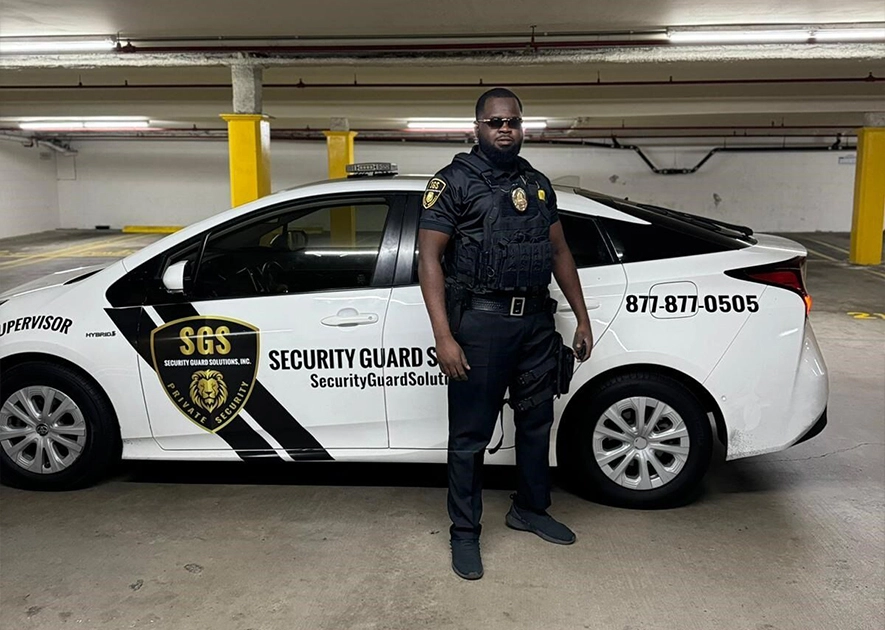
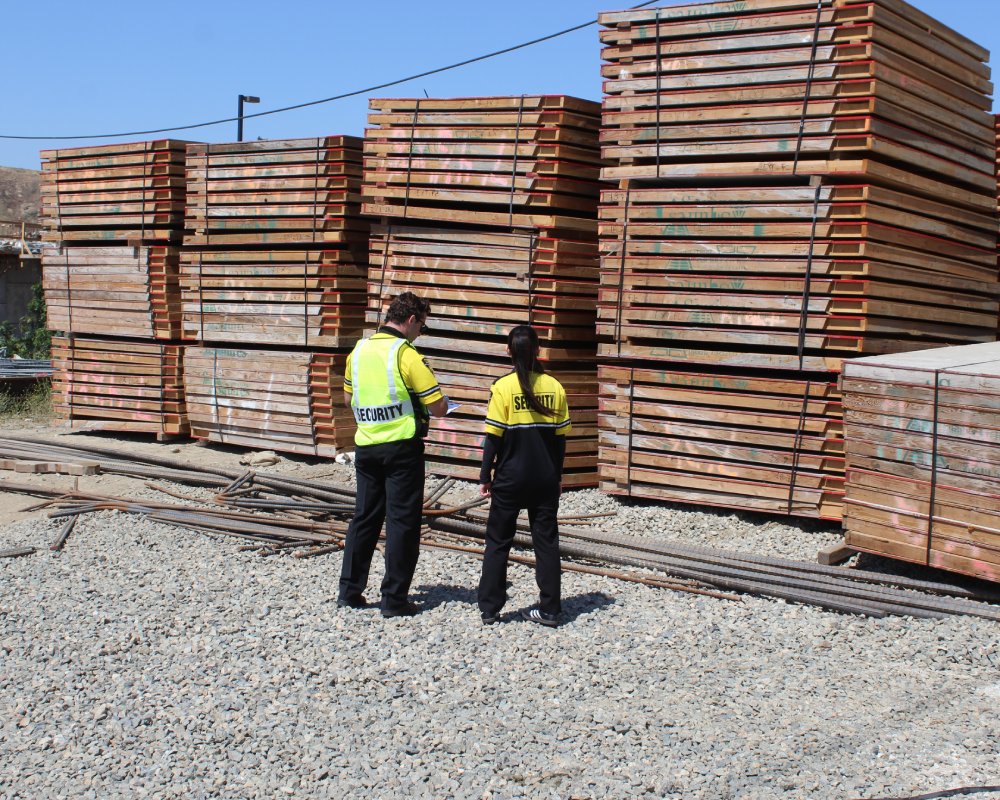
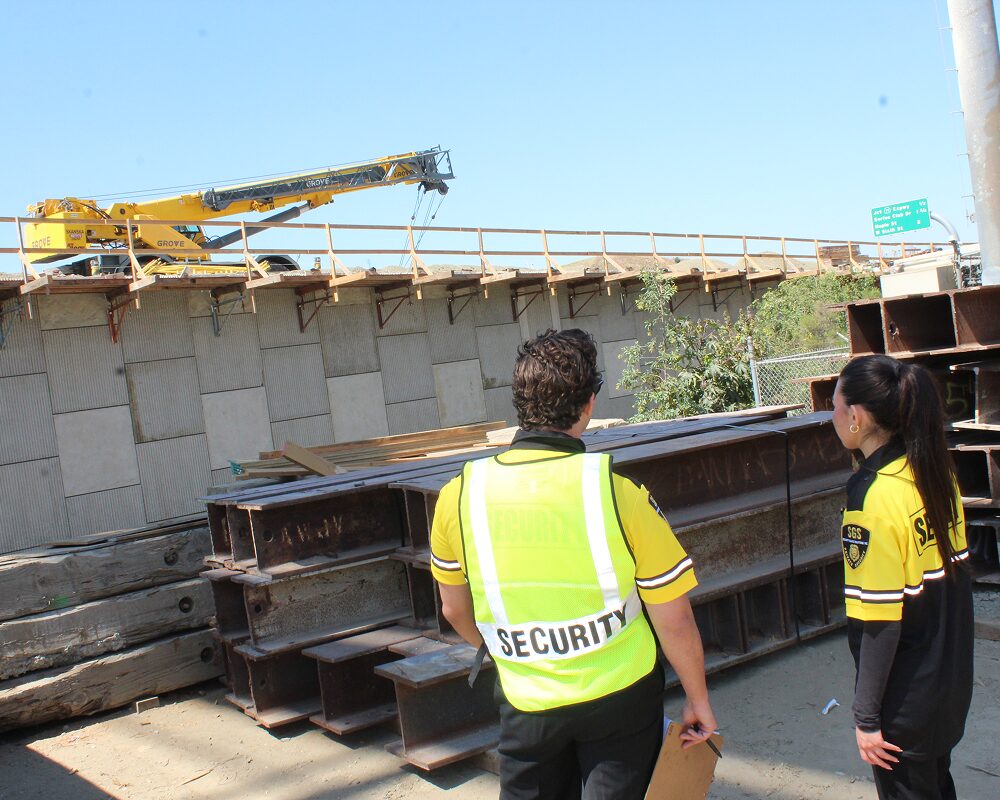
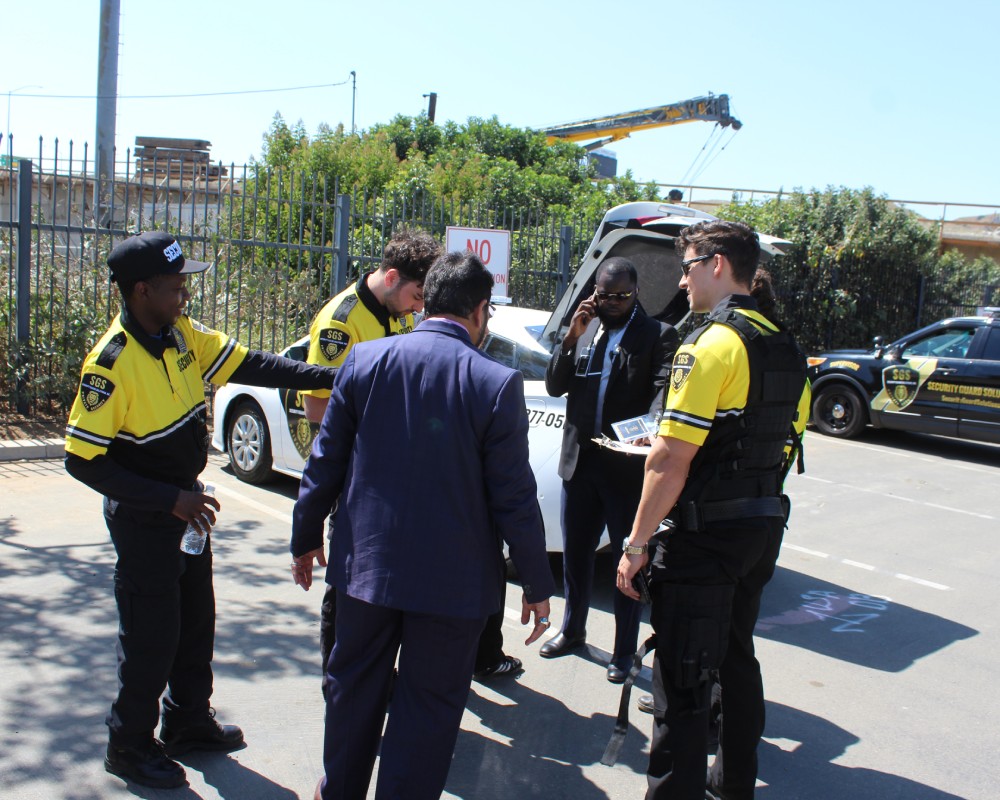
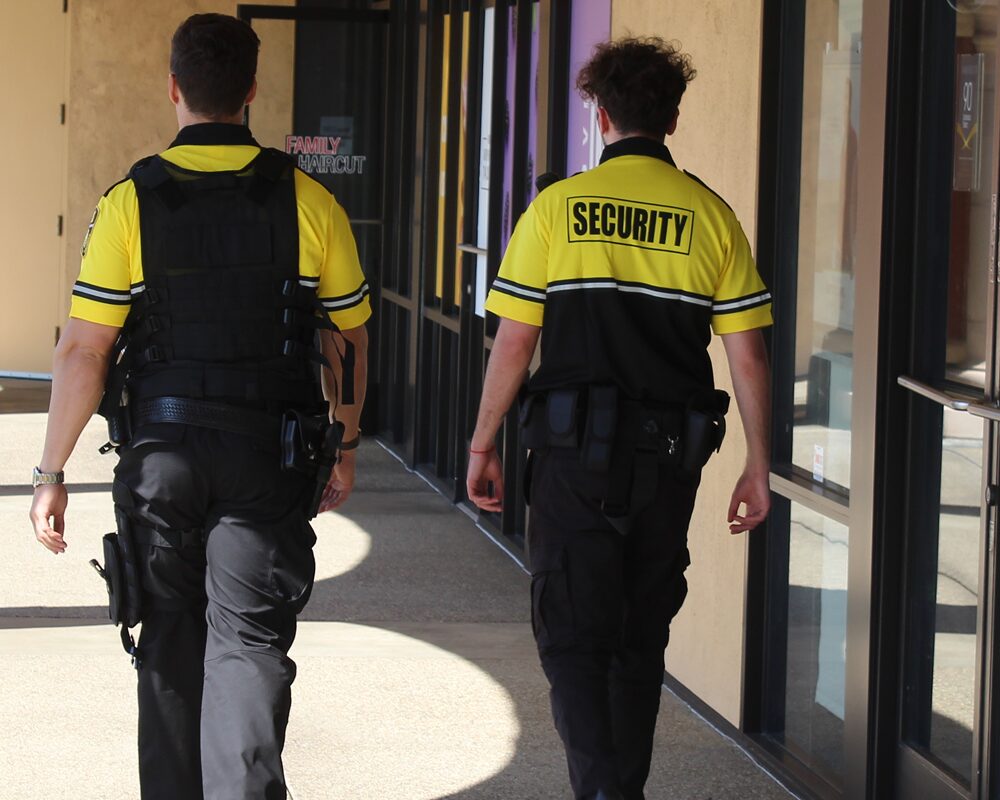
You might expect volunteers to be enough, but trained staff make a measurable difference. Trained guards spot tension points early, they read body language, and they de-escalate before problems grow.
Quick checklist for staffing:
- Assign visible, approachable staff at key choke points.
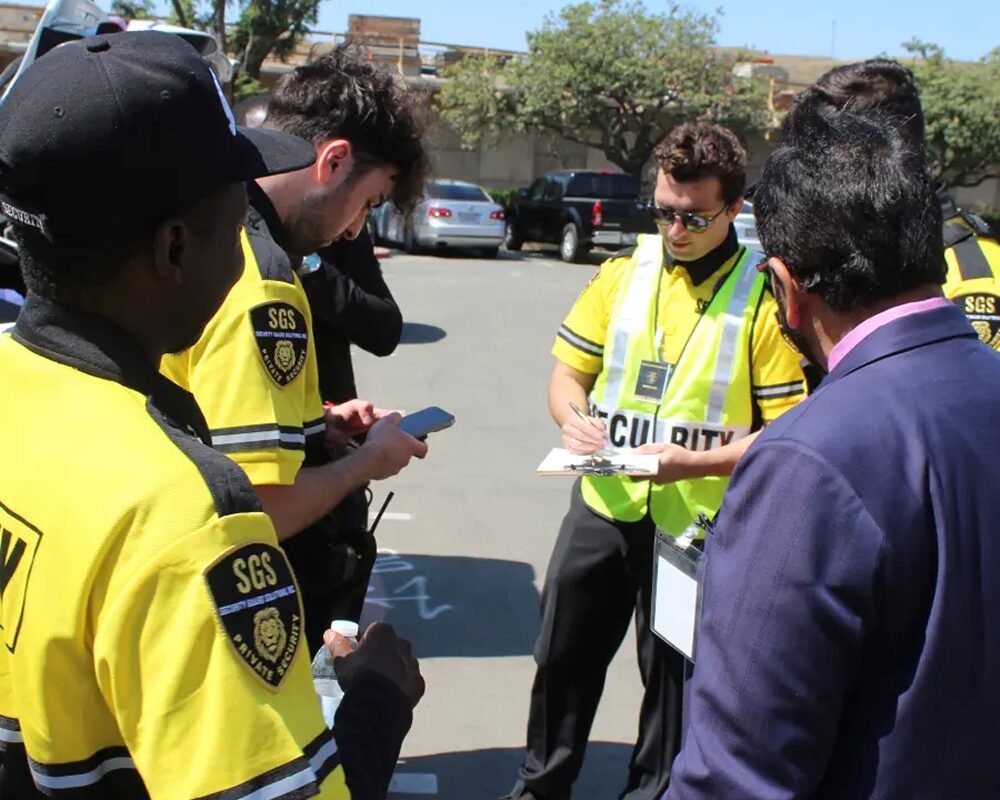
- Give every team a clear role: entry, circulation, medical liaison, and communications.
- Practice handoffs, because two people at the same spot without a plan causes confusion.
Use crowd control techniques that emphasize presence and communication, not confrontation. For music venues, staffing needs specific event types and consider specialist roles like executive protection for corporate events when VIPs are present.
Entry and Exit Management That Prevents Bottlenecks
Entrances and exits are not just physical gates; they act as control centers for the entire event. When entry design falls short, long queues form, frustration builds, and risk rises quickly. On the other hand, thoughtful entry and exit management eases pressure and directly supports event crowd safety.
Using multiple entry points and opening them in stages helps spread arrival times and prevents sudden surges. Clear signage and visible staff guidance reduce confusion, while quick and respectful screening keeps lines moving without adding tension.
Exits deserve the same level of attention. Staff placement, lighting, and directional cues help people leave in a steady flow rather than all at once, which lowers the chance of crowding or panic.
Keep Your Large Event Safe & Smooth
Turn careful planning into confident control with trained security teams who manage crowds, entry, and emergency readiness.
Crowd Flow Strategies Inside the Venue
Once inside, people still move, gather, and pause. The venue layout plays a key role in protecting public spaces during events, shaping how people walk, stop, and rejoin main areas without causing congestion.
Consider:
- Clear, wide aisles and routes to restrooms and concessions.
- Zoning areas for high-traffic activities, like merchandise or VIP meetups.
- Gentle guidance using signage, ropes, and friendly staff, rather than aggressive barriers.
You might be wondering about concessions and restrooms, because those are common pressure points. Plan circulation so these spaces sit on natural flow paths and avoid forcing people to cross busy access routes.
Emergency Planning for Large Crowds Before Something Goes Wrong
Emergency planning often feels obvious, yet it’s one of the most overlooked parts of event security planning. When something does go wrong, clear roles, tested evacuation routes, and simple communication signals make the difference between order and confusion.
Planning for staff coordination, medical access, and calm public messaging ahead of time allows teams to respond quickly instead of reacting under pressure. Regular drills and up-to-date contact lists help ensure everyone knows exactly what to do when seconds matter.
Technology That Supports Smarter Crowd Management
Technology works best when it supports human decisions rather than replacing them. Tools like CCTV, two-way radios, and basic crowd counters provide real-time awareness, while simple alert systems keep staff informed.
When cameras are actively monitored, access points are controlled, and backup communication channels are in place; teams respond faster and with more clarity. In many cases, even modest technology use helps spot developing issues sooner and keeps crowd management steady and controlled.
Post-Event Review and Continuous Improvement
After the last person leaves, the real work begins. Post-event review turns experience into better plans for the next event.
Do this:
- Gather incident logs, time-stamped notes, and any camera clips that matter.
- Hold a short debrief with staff within 48 hours, while memories are fresh.
- Ask staff and a sample of attendees for feedback.
Even small changes, like moving a concession stand or adjusting staffing times, compound over events. This is how crowd management strategies for large events get better each time.
How Security Guard Solutions Supports Safer Large Events in California
Planning large events comes with countless moving parts, and that’s where Security Guard Solutions adds real value. We provide trained security teams who focus on event crowd safety, from smooth entry line management to on-the-spot incident coordination.
Our staff works closely with venue managers to design staffing plans tailored to the event type, whether following a concert security checklist for high-energy shows or implementing executive protection for corporate events. By practicing communication protocols and evacuation scenarios in advance, we help ensure every event runs safely, efficiently, and with confidence for both organizers and attendees.
Conclusion
Effective crowd management isn’t about finding one perfect solution; it’s about combining thoughtful planning, clear staffing, and practical systems that work together. Estimating attendance, guiding entry and exit, managing movement inside the venue, preparing for emergencies, and using technology wisely all contribute to safer, smoother events.
By reviewing and refining these steps after each gathering, organizers can prevent problems before they arise and create experiences people remember positively.
For those looking to strengthen their approach, Security Guard Solutions can help tailor crowd management strategies for large events, offering planning support, on-site guidance, and reliable security on event day.
Plan Safer Events with Expert Support
From crowd flow to emergency prep, get a tailored security plan that keeps attendees safe and events running smoothly.
Frequently Asked Questions
How can I manage large crowds safely at events?
Effective crowd management combines early attendance estimation, trained staff placement, clear entry/exit flow, and emergency planning.
Why is trained security staff important for large events?
Trained personnel spot tension early, de-escalate situations, guide crowd movement, and ensure safety without confrontation.
What are the best strategies to prevent crowd bottlenecks?
Multiple entry points, staged openings, clear signage, and strategic staff placement keep lines moving and reduce congestion.
How can technology improve crowd management at large events?
CCTV, radios, crowd counters, and alert systems enhance situational awareness, allowing staff to respond quickly to developing issues.