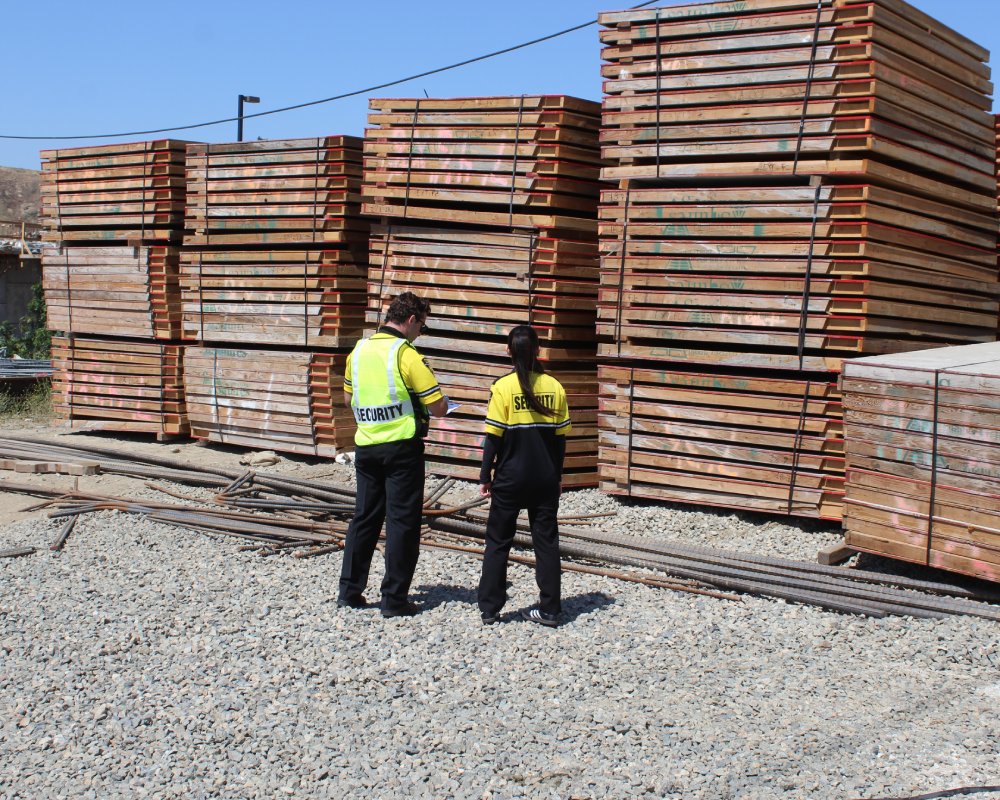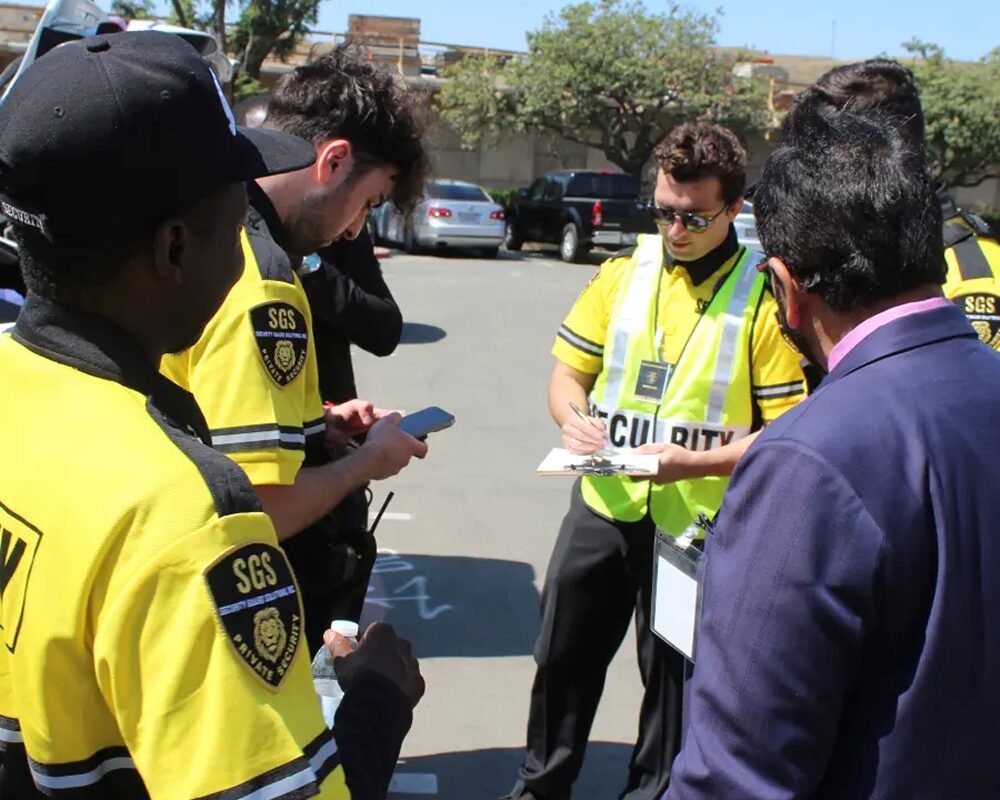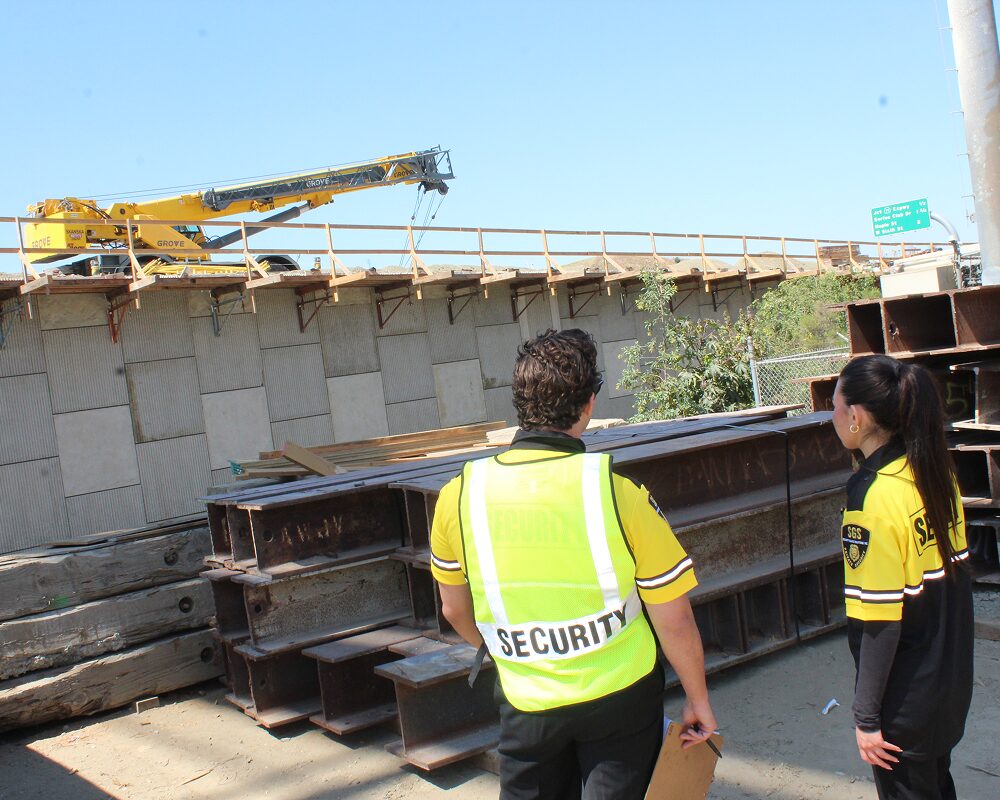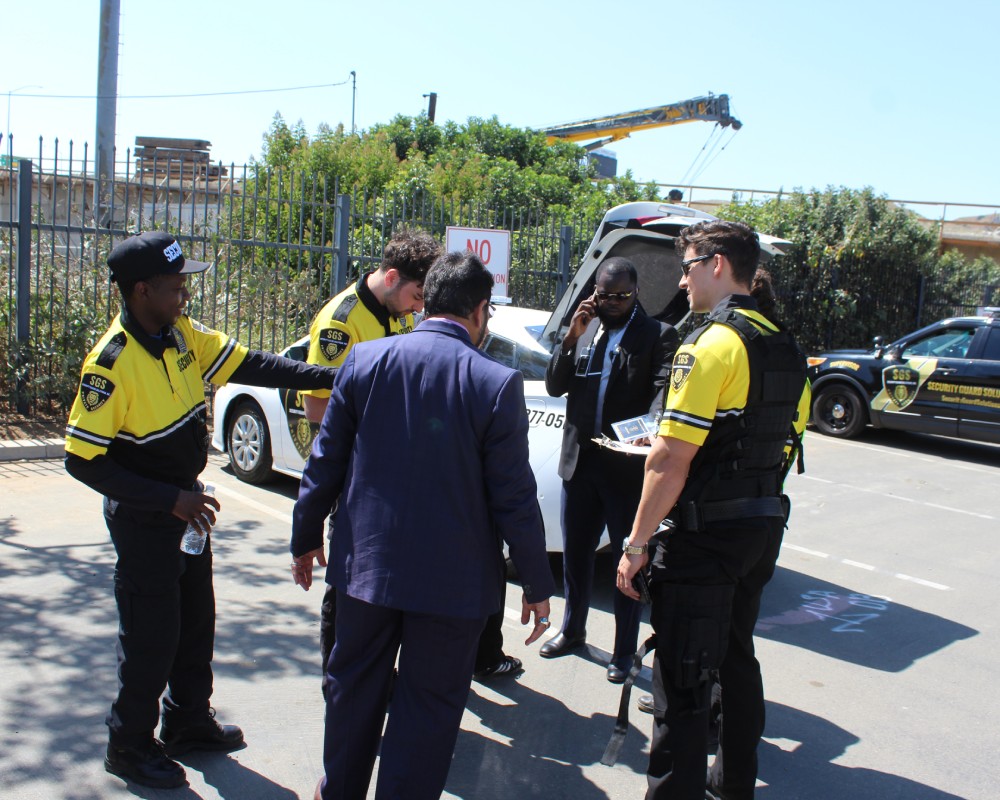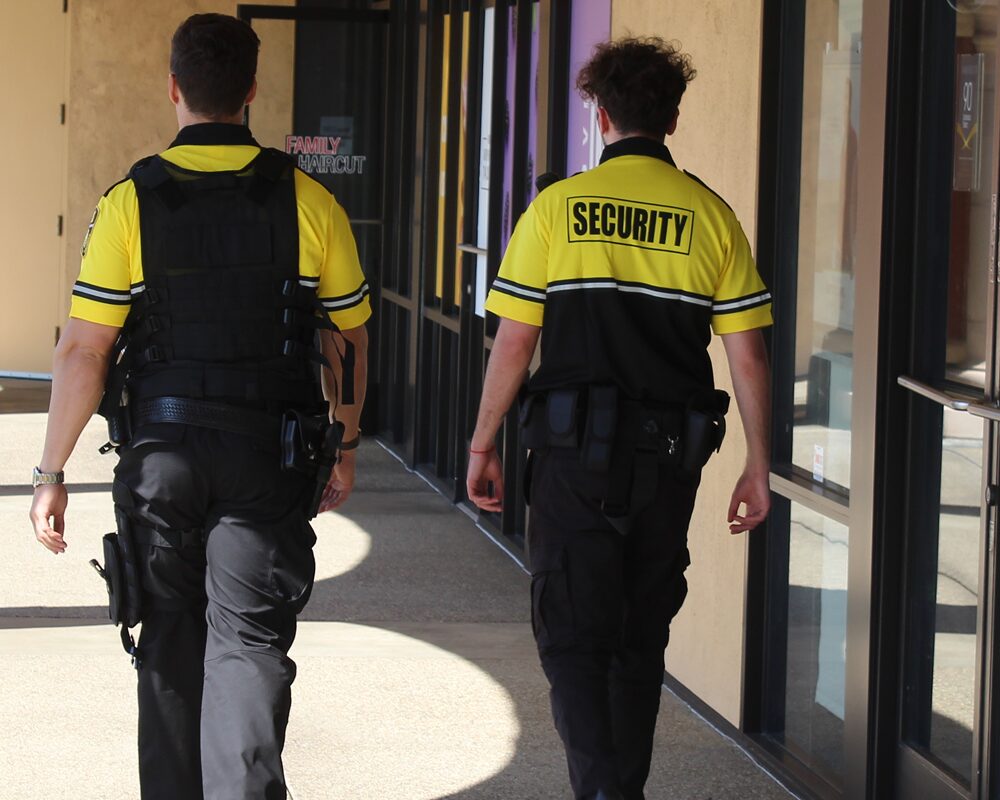
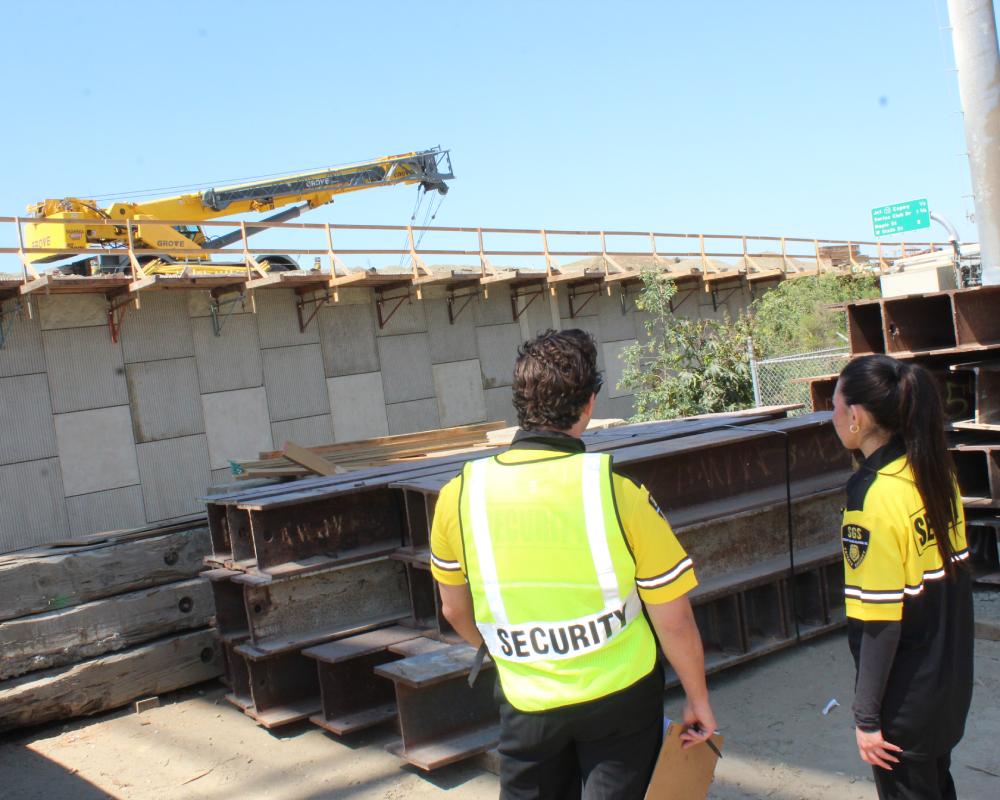
Construction sites throw a lot at you: people, heavy gear, tight schedules, and real safety risks. When an incident occurs, security guards are usually the first people on the scene.
They quickly assess risk, secure the area, and provide immediate assistance while waiting for emergency services. Being already on site shortens response time and helps prevent further injury or property damage.
This blog will walk you through how guards protect construction sites, the training they receive, the emergencies they handle, how they manage evacuations and communications, and how to include guards in your emergency action plan.
So, read on to get clear, practical steps you can apply today to protect your crew and keep work on schedule.
Key Takeaways
- On-site security shortens response time, assesses hazards quickly, and prevents small incidents from turning into major problems.
- Guards trained in first aid, CPR, OSHA rules, and emergency drills can handle medical, fire, chemical, and weather-related emergencies confidently.
- They connect incidents to supervisors and responders, share accurate info, and manage evacuations for worker safety.
- A clear emergency plan and post-incident reporting help maintain site security, reduce downtime, and improve future responses.
The Critical Role of Security Guards in Construction Site Emergencies
Undeniably, security guards serve as the first line of defense on construction sites, spotting hazards and incidents before they escalate. They are trained to assess and respond to various emergency scenarios, from medical injuries and fires to chemical spills and weather-related risks.
Acting as the bridge between the incident and professional emergency services, guards secure the area, provide clear information, and ensure responders arrive ready to act. Their quick response time (thanks to being already on site) often prevents small incidents from turning into major disruptions or costly shutdowns.
For context, construction site theft and related emergencies result in over $1 billion in losses annually, highlighting how vital construction site security is to protect workers and equipment.
Essential Emergency Training Security Guards Receives
Security guards at construction sites aren’t just there to watch gates; they are trained professionals prepared to act when emergencies arise. Their effectiveness depends on the following specialized training that equips them to respond quickly, safely, and confidently, protecting workers and minimizing disruption:
First Aid and CPR Certification
Most guards hold current first aid and CPR certifications and are trained to use AEDs. They stabilize injured workers, control bleeding, manage shock, and hand off clear information to arriving EMS under established security guard emergency procedures.
OSHA Compliance and Construction Safety Protocols
Emergency Response Drills and Continuous Education
Guards take part in regular drills for fires, spills, severe weather, and mass-casualty scenarios. After-action reviews drive quick fixes, and ongoing training keeps response skills aligned with your emergency response protocols for construction site guards.
With these skills, security guards are prepared to handle medical, fire, and other emergencies efficiently.
Unprepared for Emergencies at your Construction Site?
Trained security guards respond fast to medical, fire, and safety incidents—keeping workers safe and downtime low. Be ready before it matters.
Types of Emergencies Security Guards Handle
Moving forward, these sites deal with multiple risk scenarios, making it more necessary to have vigilant security services for your construction site. Their role in construction site emergency response focuses on safety, control, and clear communication.
Medical Emergencies
If someone falls, gets a crush injury, or suffers heat stress or a cardiac episode, guards step in with first aid or CPR, call 911, clear the area, and make sure everything is documented.
Fire Emergencies
Fires from electrical issues, fuel, or welding sparks can spread quickly. Fire watch security guards at the construction site sound the alarm, shut down the affected zone, guide everyone to safety, and keep routes clear for fire crews.
Chemical Spills and Hazardous Material Incidents
When fuel, solvents, or gas leaks, guards isolate the area, prevent anyone from entering, notify supervisors and responders, and provide key details about the materials involved.
Natural Disasters
Storms or earthquakes can hit without warning. Guards follow evacuation plans, direct workers to safe areas or muster points, and ensure no one re-enters unsafe zones.
Security Breaches and Workplace Violence
Unauthorized access or aggressive behavior is addressed by guards quickly. Security guards control entry points, contact law enforcement when required, and document events to limit escalation.
Vandals and Squatters
Sites are especially vulnerable at night, when vandals can cause damage or squatters may occupy unfinished structures. Security individuals patrol, monitor cameras, and respond quickly, addressing nighttime security challenges in Los Angeles to keep the site safe and operational.
Emergency Notification and Communication Protocols
Clear communication drives effective construction site emergency response. When an incident occurs, confusion can slow help and increase risk. Security guards follow defined emergency response protocols for construction site guards to ensure the right people receive the right information at the right time.
- Alerting emergency services (911): Guards call as soon as a serious incident occurs, using known site access points, so responders arrive without delay.
- Notifying supervisors and project managers: Guards provide real-time updates, helping leadership pause work, redirect crews, and protect critical areas.
- Following a clear chain of command: A defined point of contact ensures decisions are consistent, and workers receive accurate instructions.
- Providing critical details to responders: Guards relay site location, nature of the emergency, number of victims, and known hazards to help responders act quickly and safely.
Providing critical information to responders
Security guards at construction sites relay clear, factual details to responders that can save time, money, and lives:
- Nature of the emergency
- Exact site location and access routes
- Number of injured or exposed workers
- Known hazards such as fuel, chemicals, or unstable structures
- Accurate information helps responders arrive prepared and act faster.
Now, let’s cover how guards manage site evacuations, accountability checks, and controlled access once an emergency is underway.
Site Evacuation Coordination and Management
During an emergency, evacuation must be fast, controlled, and organized. Security guards manage this process by following construction site evacuation plans and keeping accountability clear.
They activate the site’s emergency action plan, guide workers to designated muster points, and conduct headcounts to confirm everyone is accounted for. Using RFID badges or manual logs helps track personnel quickly, even across multiple subcontractor teams.
Moreover, security guards are also responsible for access control at construction sites, managing traffic for emergency vehicles, and preventing unauthorized re-entry until the site is cleared. Their role keeps workers safe, maintains order, and supports smooth emergency response coordination.
Moving forward, we’ll look at how guards secure the site after an emergency and document what happened to prevent future incidents.
Post-Emergency Security Measures and Documentation
Once emergency services arrive and the immediate threat is under control, the security guard’s role does not stop. This phase focuses on control, accuracy, and recovery so the site can safely move forward.
- Securing the scene after emergency services arrive: Establish a perimeter, control all entry points, and preserve evidence (photos with timestamps, locked gates, logged access).
- Documenting incidents with detailed reports: Produce a timed incident log, collect witness statements, note equipment status, and attach photos/video to the report.
- Implement enhanced security protocols: Revoke or reissue badges, increase patrol rounds, tighten gate procedures, and extend CCTV retention for the incident window.
- Identify areas for improvement: Run a 24-hour debrief with guards, supervisors, and safety staff; list the top 3 root causes and immediate fixes (training, signage, equipment).
- Facilitate phased return to operations: Require safety sign-off on reopened zones, update muster lists, brief crews on changes, and limit access until checks are complete.
Undoubtedly, these steps keep the site secure, create a reliable record for insurance or compliance, and shorten downtime.
Creating an Effective Emergency Action Plan with Security Guards
Undeniably, a strong emergency response starts with planning. Guards at Security Guard Solutions can play a hands-on role in building and applying the following crisis response procedures to make your site safer:
| Plan element | Guard role | Quick checklist | Guard role |
|---|---|---|---|
| Site-specific procedures | Help write and test the plan | List hazards, designate roles, post the plan where crews see it | Before each phase; update when layout changes |
| Evacuation routes | Keep routes clear and visible | Mark routes, confirm alternate paths, remove obstructions | Monthly visual check; after major deliveries |
| Emergency equipment | Know locations and test access | Map AEDs, extinguishers, spill kits; verify keys and access | Weekly walk; monthly functional test |
| Communication protocols | Act as notification point | Who calls 911, who alerts supervisors, radio backup plan | Quarterly drill check |
| Emergency drills | Lead or support drills | Run tabletop and live drills, time each step, capture issues | Quarterly; after major scope changes |
| Plan integration | Attend safety meetings | Sit in pre-starts, update subcontractor briefings, keep logs | Ongoing; include in weekly safety huddle |
Conclusion
Construction emergencies are unpredictable, but your response does not have to be. Trained security guards support construction site emergency response by acting fast, communicating clearly, managing evacuations, and securing the site before and after incidents.
If you want stronger emergency readiness, fewer disruptions, and better control when it matters most, it starts with the right security partner. Reach out to Security Guard Solutions and build emergency response protocols that work for your site and your people.
When Seconds Matter, Who’s Protecting Your Site?
Our construction site security guards are trained for emergencies, evacuations, and rapid response. Build safer projects with a team you can rely on.
FAQs
What are the most common emergencies that construction site guards should prepare for?
Construction site security guards must be ready for falls, struck-by incidents, fires, chemical spills, severe weather, heat illness, and sudden medical events like cardiac arrest.
Are there legal requirements for emergency response protocols on construction sites?
Yes. OSHA generally requires a written emergency action plan when site hazards demand it, and you must train your crew on it.
What is the emergency response plan for construction sites?
A site-specific, written set of steps for reporting incidents, evacuating, accounting for people, and communicating with responders.
What is the role of the security guard in emergency response?
Guards act as first responders because they secure the scene, give first aid, call 911, direct responders to the exact spot, control access, and log what happened.