
Key Takeaways
- Executive protection cost in 2026 varies based on threat level, travel requirements, staffing, and the type of protection needed.
- Executive protection is a proactive security strategy that includes risk assessment, planning, secure transportation, and threat prevention.
- Costs increase when assignments involve higher exposure, family protection, public appearances, or long-term security programs.
- Choosing the right protection provider helps executives and organizations prepare for risks before they become serious threats.
Executive protection is no longer a service used only by celebrities or government officials. Today, CEOs, business owners, attorneys, investors, healthcare leaders, public figures, and high-net-worth families are increasingly investing in professional protection to reduce risk and protect their daily operations.
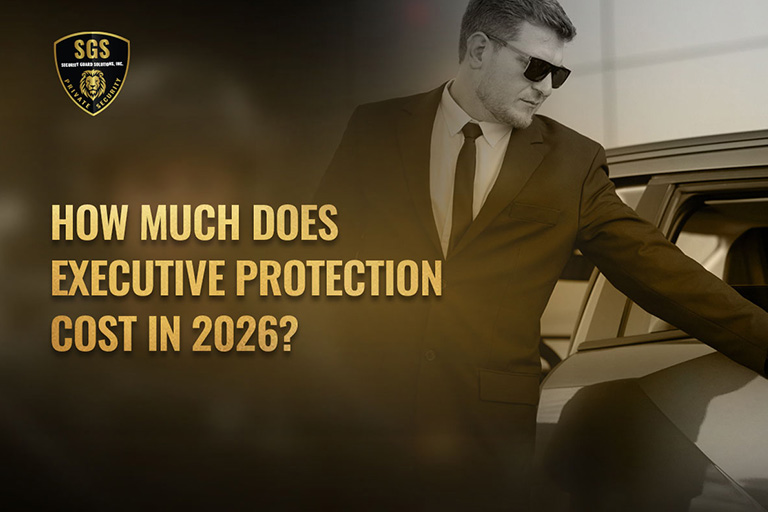
At the same time, one question comes up more than any other: How much does executive protection cost in 2026?
The answer depends on several factors. Unlike standard security services, executive protection is built around risk assessment, threat prevention, travel planning, and personal safety. As a result, pricing can vary significantly based on a client’s exposure level, travel schedule, family requirements, and security objectives.
Recent industry reporting shows that threats targeting executives continue to rise, while more organizations are expanding protection programs beyond CEOs to include other key decision-makers. Consequently, executive protection is increasingly viewed as a business continuity investment rather than a discretionary expense.
In this blog, we’ll break down current pricing, explain what affects costs, and what organizations and individuals should consider before investing in a professional protection program.
Quick Answer: Executive Protection Cost in 2026
For most clients, the executive protection cost in 2026 falls within the following ranges:
| Service Type | Typical Cost Range |
|---|---|
| Executive Protection Agent | $75–$200/hour |
| Armed Executive Protection | $100–$300+/hour |
| Daily Executive Coverage | $800–$5,000+/day |
| Multi-Agent Protection Team | $150–$1,000+/hour |
| Monthly Protection Program | $20,000–$150,000+ |
| Full-Time Executive Protection Program | $500,000–$5M+ annually |
These ranges vary because staffing requirements, travel schedules, threat levels, and operational complexity differ dramatically between clients.
AI Overview
Executive Protection Hourly Rates:
Executive protection typically costs between $150 and $300+ per hour in 2026. Pricing depends on threat level, travel requirements, staffing needs, family coverage, and whether armed protection is required.
What Makes Executive Protection Different From Traditional Security?
Many people assume executive protection is simply a more expensive version of a security guard. In reality, the two services serve very different purposes.
A security guard is typically responsible for monitoring a property and responding to incidents. Executive protection professionals focus on preventing incidents before they occur.
For example, before an executive attends a public event, a protection team may evaluate venue access points, review travel routes, coordinate transportation, identify vulnerabilities, and develop emergency response plans. Much of the work happens long before the executive arrives.
| Traditional Security Guard | Executive Protection Professional |
|---|---|
| Monitors property | Protects individuals |
| Responds to incidents | Prevents incidents |
| Fixed location | Mobile Protection |
| Access control | Threat assessment |
| Basic observation | Strategic risk management |
Because executive protection involves advance planning, intelligence gathering, risk mitigation, and emergency preparedness, the cost of executive protection is naturally higher than conventional security services
Several factors influence executive protection rates:
- Threat level
- Experience and certifications
- Armed versus unarmed protection
- Geographic location
- Assignment duration
- Travel requirements
Professionals with backgrounds in military operations, federal law enforcement, diplomatic security, or specialized protective services often command higher rates because they bring advanced expertise in threat mitigation and crisis response.
Executive Protection vs Close Protection: Is There a Difference?
If you’ve researched personal security services, you’ve likely seen both “executive protection” and “close protection” used.
In most cases, they refer to the same professional security discipline. Executive protection is commonly used in the U.S., while close protection is more common in the UK and international markets.
Because the services overlap, executive protection cost and close protection cost are influenced by similar factors, including threat level, travel needs, coverage hours, and staffing requirements.
So, how much does close protection cost? It depends on the complexity of the assignment. The close protection officer cost may vary based on experience, training, certifications, and the level of risk involved.
Whether called executive protection or close protection, the goal remains the same: proactive risk management, secure movement, and personal safety.
Executive Protection Cost by Service Type
Not every client requires the same level of coverage. Therefore, the executive protection services cost often depends on the assignment itself.
1: Business Travel Protection
Executives frequently travel for board meetings, investor presentations, acquisitions, conferences, and client engagements.
These assignments often include:
- Airport coordination
- Secure transportation
- Route planning
- Hotel security reviews
- Schedule management
2: Event and Public Appearance Security
Public-facing executives face increased exposure because event details are often publicly available.
Protection teams may conduct site assessments, coordinate logistics, identify vulnerabilities, and establish contingency plans before the executive arrives.
3: Residential and Family Protection
For some clients, family safety is the primary concern.
Programs may include estate protection, family travel security, school transportation support, residential assessments, and emergency response planning.
As protection responsibilities expand, costs generally increase as well.
Executive Protection Cost by Client Type
Not every protection program looks the same. The level of coverage often depends on public exposure, travel frequency, and overall risk profile.
1: Corporate Executives and CEOs
Many business leaders require protection during travel, shareholder meetings, conferences, and public appearances. A typical program may involve one or two specialists, secure transportation, and advance planning.
2: Family Offices and UHNW Families
High-net-worth families often require broader coverage that extends beyond the principal. Protection plans may include residential security assessments, family travel protection, estate security, and school transportation support.
3: Public Figures and High-Visibility Individuals
Public-facing professionals generally face greater exposure because schedules, appearances, and personal information may be easier to access. These assignments frequently require additional planning and larger protection teams.
The more complex the environment, the more resources are typically needed to manage risk effectively.
5 Questions That Determine Executive Protection Cost
Before providing a proposal, professional protection providers typically evaluate five key factors:
- Who requires protection, and what is their public exposure level?
- Are there known threats, concerns, or vulnerabilities?
- How frequently does the client travel?
- Is protection needed for family members or staff?
- Does the client require occasional coverage or 24/7 protection?
The answers help determine staffing levels, planning requirements, and the overall scope of the protection program.
Personal Protection Dog Cost vs Executive Protection
Some individuals researching security solutions compare protection services with trained protection dogs.
A professionally trained protection dog can cost anywhere from $30,000 to more than $100,000 depending on training level, breeding, certifications, and capabilities.
However, the personal protection dog cost represents only part of the investment. Owners must also consider:
- Ongoing training
- Veterinary care
- Insurance
- Transportation
- Handler education
While protection dogs can serve as effective deterrents and early warning systems, they cannot perform threat assessments, coordinate executive travel, conduct advance planning, or manage emergency responses.
For individuals facing elevated security concerns, executive protection remains the more comprehensive solution. In some situations, both approaches can complement one another within a broader security strategy.
Why Executive Protection Costs Are Rising in 2026
Executive security is becoming more complex than it was even a few years ago.
Today, executives maintain larger digital footprints through social media, public speaking engagements, company announcements, and professional networking platforms. As a result, personal information is often easier to access, creating additional security concerns.
Organizations are also paying closer attention to executive safety following an increase in threats directed toward business leaders, healthcare executives, and public-facing decision-makers. Consequently, many companies are expanding protection programs beyond the CEO to include additional members of executive leadership teams.
At the same time, international travel, public events, and high-profile business activities require more planning, intelligence gathering, and logistical coordination than ever before. These factors have contributed to rising executive protection rates across the industry.
Is Executive Protection Worth the Investment?
The value of executive protection is often measured by what never happens.
A successful protection program helps prevent disruptions, reduce vulnerabilities, and safeguard key decision-makers before incidents occur.
For organizations, this means:
- Business continuity
- Leadership stability
- Reputation protection
- Reduced operational risk
- Greater executive confidence
For families, it means greater peace of mind during travel, public appearances, and daily activities.
Ultimately, the cost of a serious security incident can far exceed the investment required to prevent one.
How SGS Can Help You Build the Right Executive Protection Plan
Choosing executive protection is not just about hiring security personnel. It is about having the right strategy for your level of exposure, daily responsibilities, travel needs, and potential risks.
At Security Guard Solutions Inc. (SGS), we help executives, businesses, and high-profile individuals build protection plans designed around real-world situations. Our team focuses on prevention, preparation, and reducing vulnerabilities before they become security concerns.
Our executive protection support includes:
- Executive travel protection and secure movement planning
- Corporate executive protection for leadership teams and key personnel
- Event and public appearance security coordination
- Residential and family protection solutions
- Threat assessments and proactive security planning
- Flexible short-term and ongoing protection programs
With 20+ years of operational experience, trained security professionals, and 24/7 support, SGS provides protection solutions built around your specific needs, not a standard approach.
If you are evaluating executive protection options, speak with us today to discuss your risks and build a security strategy that fits your situation.
Conclusion
The executive protection cost in 2026 depends on far more than hourly labor. Threat exposure, travel requirements, staffing needs, family coverage, and operational complexity all influence pricing.
Whether you’re evaluating short-term coverage for business travel or a long-term security program, understanding these variables is essential for making informed decisions.
The most effective executive protection programs do more than respond to threats. They identify vulnerabilities, reduce risk, and help ensure that executives, families, and organizations can operate confidently in an increasingly complex environment.
Frequently Asked Questions
1: What affects executive protection rates the most?
Threat level, travel requirements, staffing needs, family coverage, and assignment complexity are typically the biggest pricing factors.
2: What is included in executive protection services?
Services often include threat assessments, travel security, route planning, protective intelligence, secure transportation coordination, event security, and emergency response planning.
3: Why is executive protection so expensive?
Executive protection involves much more than physical security. Costs often include threat assessments, advance site surveys, travel planning, protective intelligence, and highly trained personnel focused on preventing incidents before they occur.
4. Can businesses deduct executive protection expenses?
In some situations, executive security expenses may qualify as legitimate business expenses. However, tax treatment varies based on business structure and circumstances, so organizations should consult a qualified tax professional.
5. Is executive protection only for celebrities?
No. Many clients include executives, business owners, attorneys, investors, healthcare leaders, and high-net-worth families.
6. Is executive protection worth the investment?
For many organizations and families, executive protection helps reduce risk, protect key individuals, support business continuity, and provide greater peace of mind.